World Animal Day · 4 October 2026
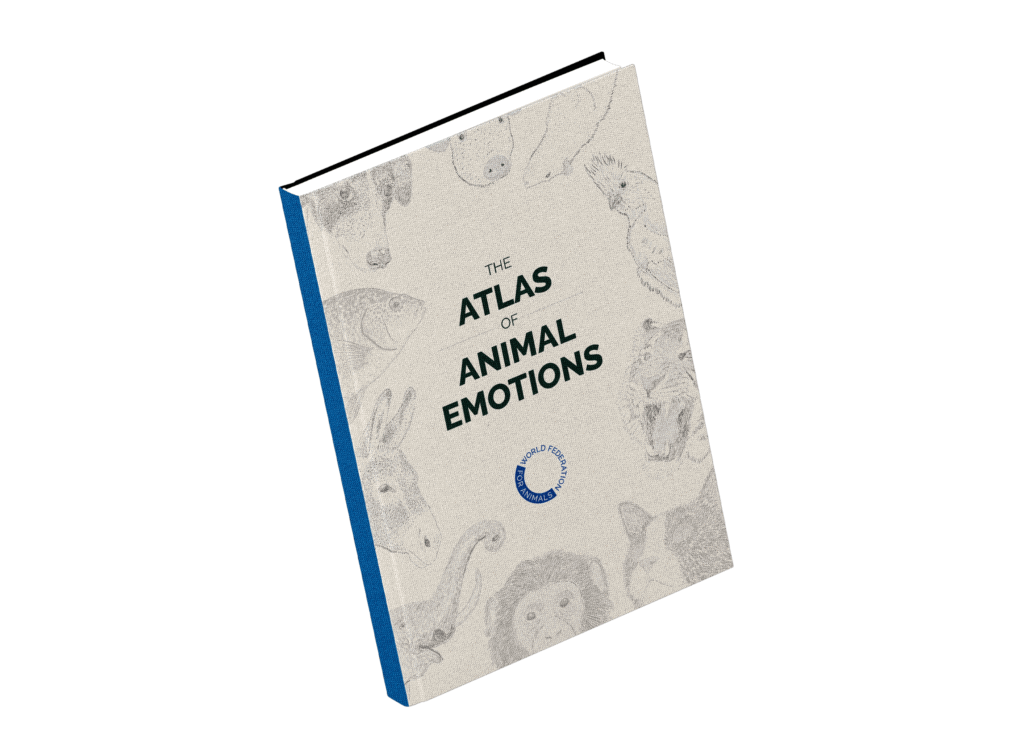
The Atlas of
Animal Emotions
Science increasingly confirms that animals experience complex emotions. Yet this evidence rarely reaches the people and institutions whose decisions shape billions of animals’ lives every day. This book brings some of these stories to light.
10 emotions. 12 species. 6 continents.
Explore the animal emotion entries
Each entry is grounded in peer-reviewed science and drawn from field observations by WFA member organisations working on every continent, all within a rigorous framework of contemporary animal welfare research.
The everyday terms used in each entry are not scientific claims. They represent the closest human language equivalent to an affective state identified through observable behaviour and, where available, physiological or neurobiological evidence, grounded in James Russell’s circumplex model of affect —the scientific framework most widely used in contemporary animal welfare research— and draw on the affective neuroscience work of Jaak Panksepp and the broader comparative psychology literature for more complex social emotions.
01.
Domestic Donkey
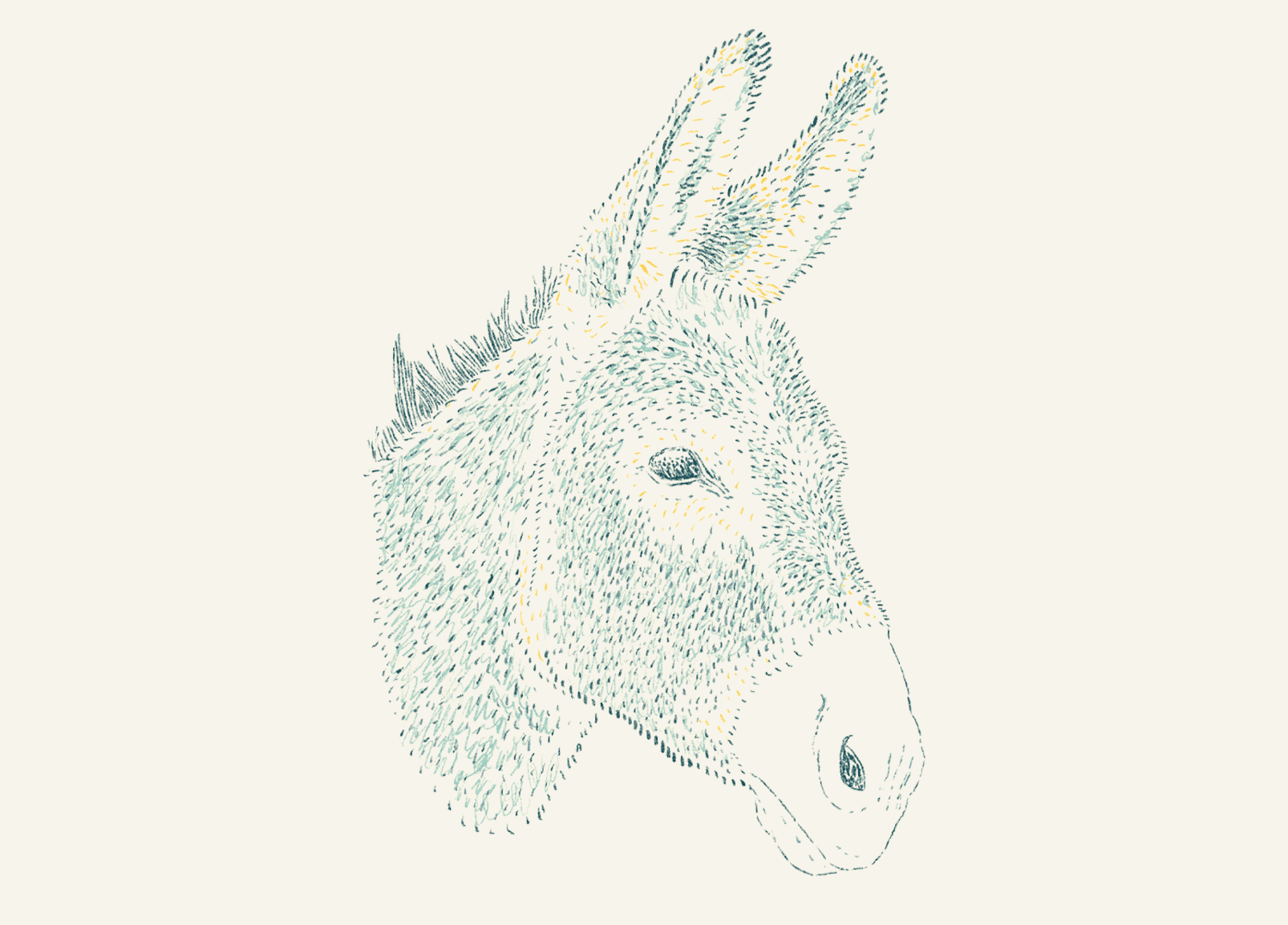
Attachment
Equus asinus
Ethiopia / Addis Ababa
Beletu, a female donkey, and Donsa, a male horse, live together at the Addis Ababa University College of Veterinary Medicine. Introduced to provide Beletu with companionship, the pair quickly formed a deep bond. They reside in adjoining boxes where they maintain constant visual and tactile contact, spending their days grazing side-by-side in a nearby pasture.
Working Animals International
02.
African Elephant
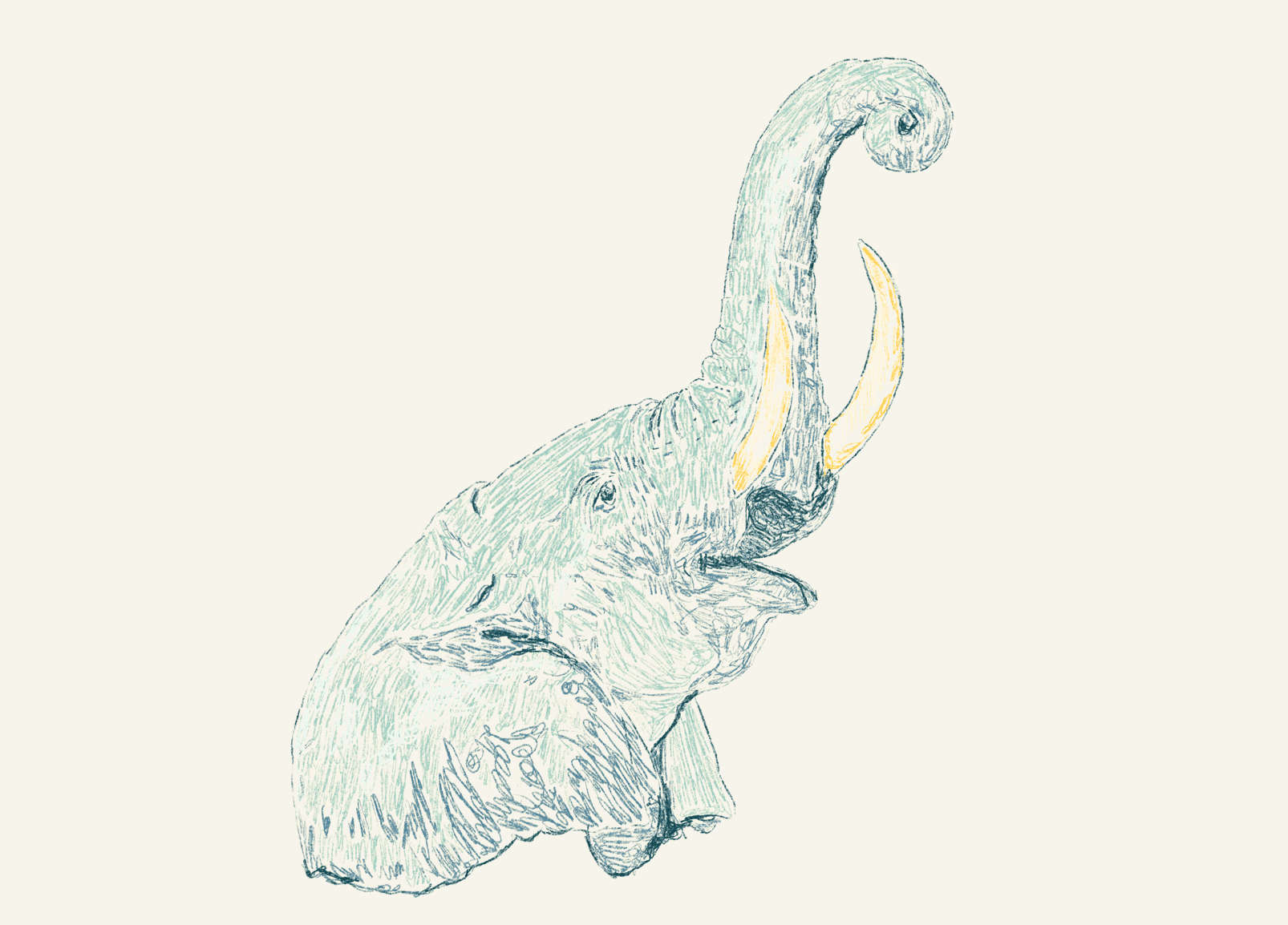
Care
Loxodonta africana
Kenya / Tsavo East
During a drive through Tsavo East National Park, a family of elephants encountered a vehicle crossing their path. As the vehicle approached, several adults rapidly closed ranks around the young calves, holding a protective formation until the potential threat had passed before continuing across the road together.
ANAW
03.
Hen
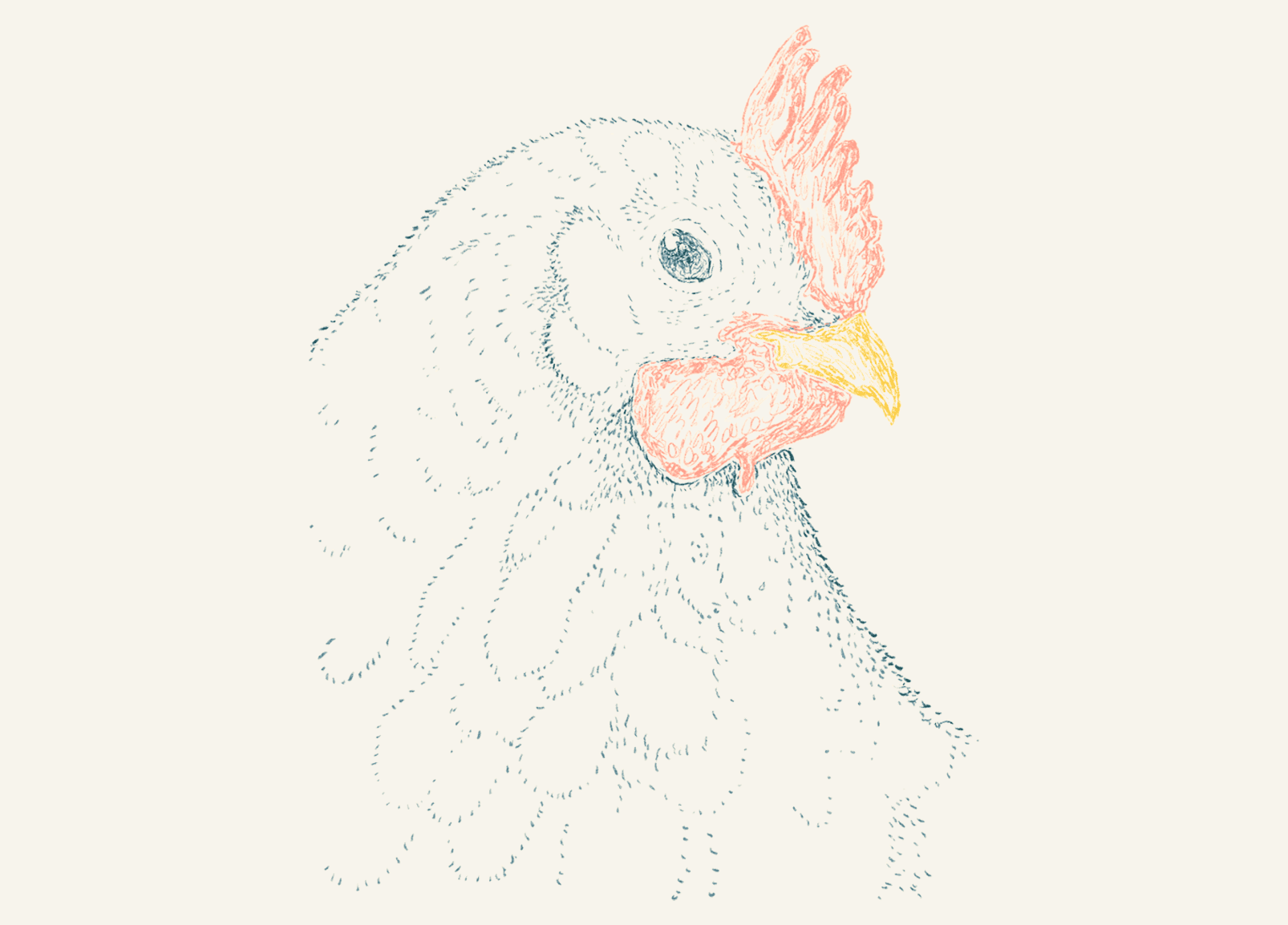
Contentment
Gallus gallus domesticus
Chile / Los Ríos
Elena was found as a malnourished chick in Chile, struggling to walk. Daniela took her home and cared for her throughout her recovery. Today, Elena lives in the countryside with free access to the outdoors. Around familiar people, she approaches voluntarily, climbs onto their laps, accepts being held and stroked, and produces soft vocalisations during these interactions.
Sinergia Animal
04.
Rat
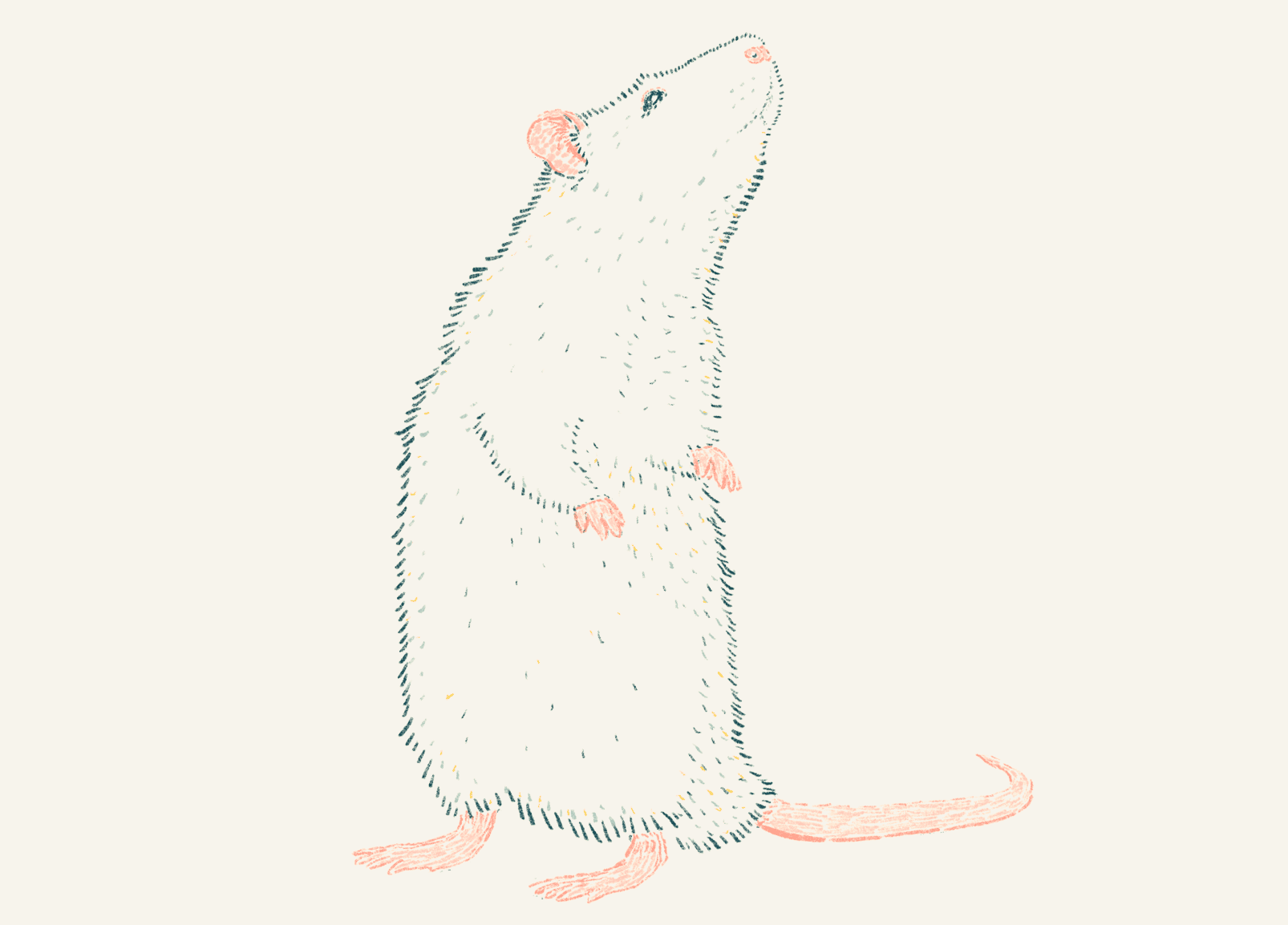
Curiosity
Rattus norvegicus
Mexico / Mexico City
During a photographic investigation, the team at Te Protejo gained access to an animal facility used for pharmaceutical research. In one room, they encountered rats who were no longer required for research and were awaiting euthanasia. Among them was Bruno, as the team named him, who voluntarily approached the unfamiliar visitors. He sniffed them, made physical contact and continued to interact with them, repeatedly investigating the people who had entered his environment.
Working Animals International
05.
Horse
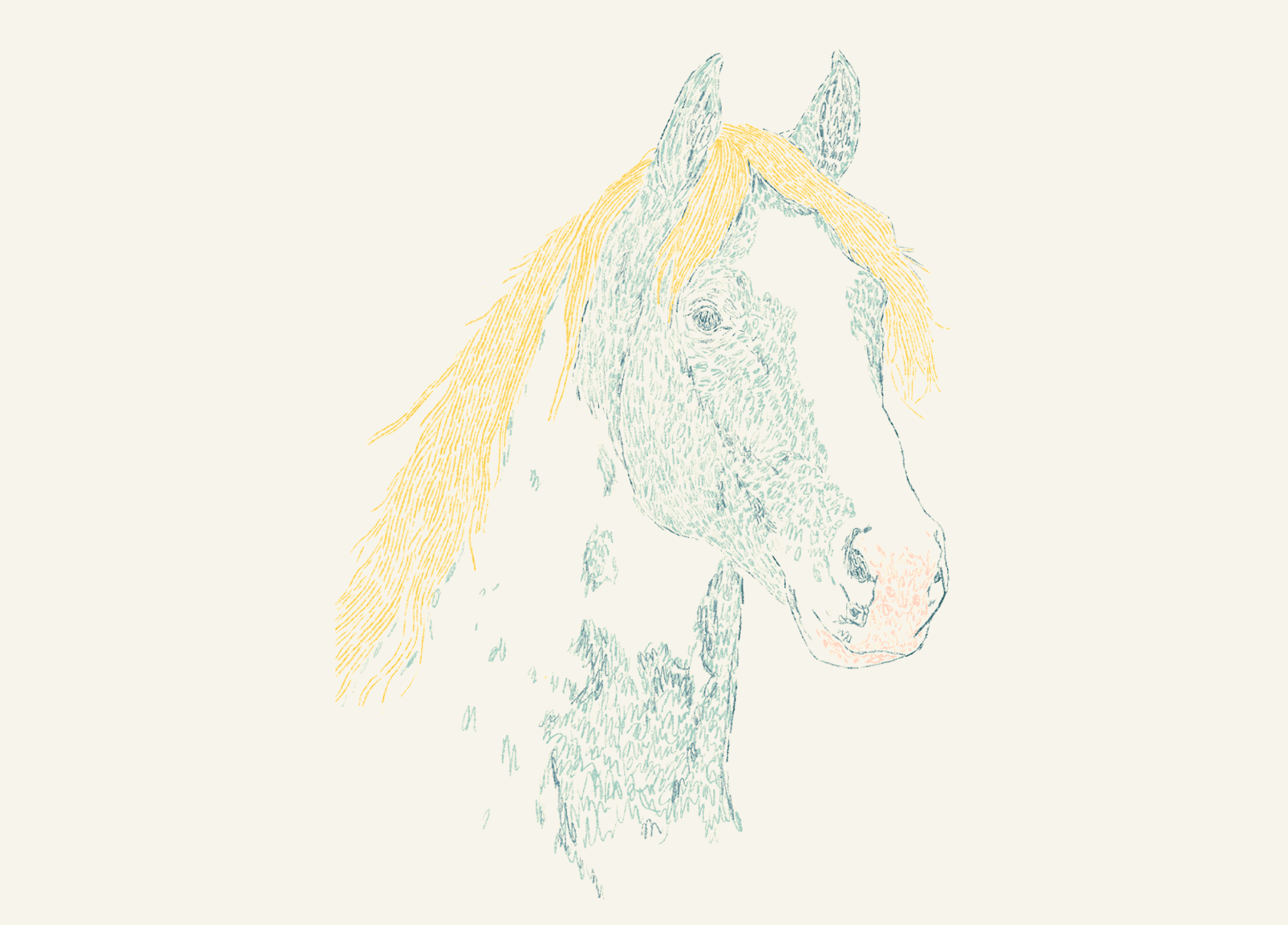
Depression
Equus ferus caballus
Ethiopia / Halaba
In working communities in Halaba, working horses subjected to continuous physical strain and harsh conditions frequently transition from active distress into a low-energy, motionless state. Displaying a fixed gaze and unreactivity to sensory input, these animals exhibit a behavioral shutdown characteristic of chronic, prolonged emotional suffering.
Brooke
06.
Dog
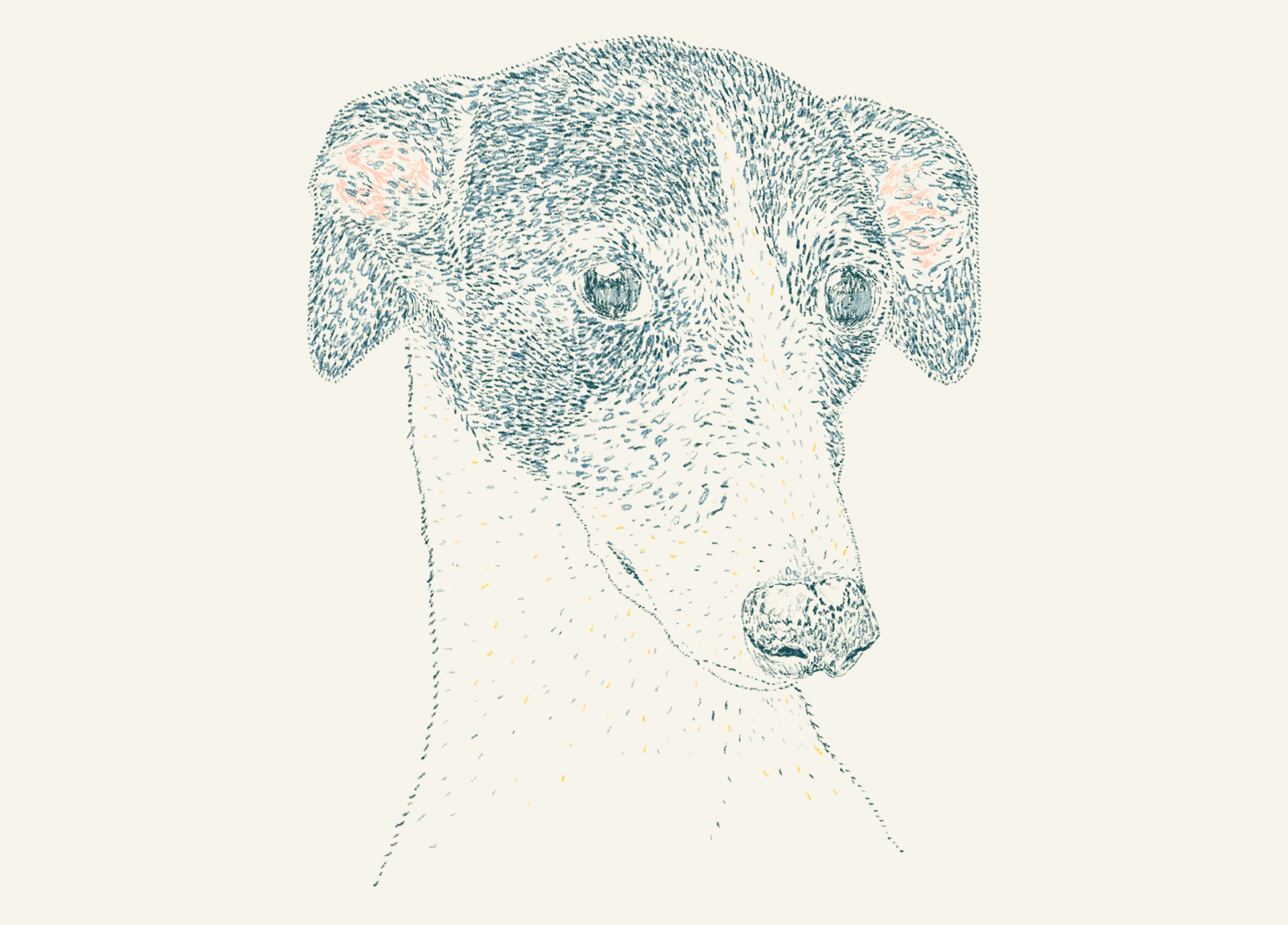
Empathy
Canis lupus familiaris
United States / California
At Sharp Mary Birch Hospital, Lovie, a tiny 5 lb Shih Tzu therapy dog, visits patients twice a month. During one visit, when a patient began to cry, Lovie immediately got up and crawled onto the woman’s pregnant belly to get closer to her—a behavior she had never exhibited before. She settled on her chest and stayed there to comfort her for the remainder of the interaction.
Helen Woodward Animal Center
07.
Nile Tilapia
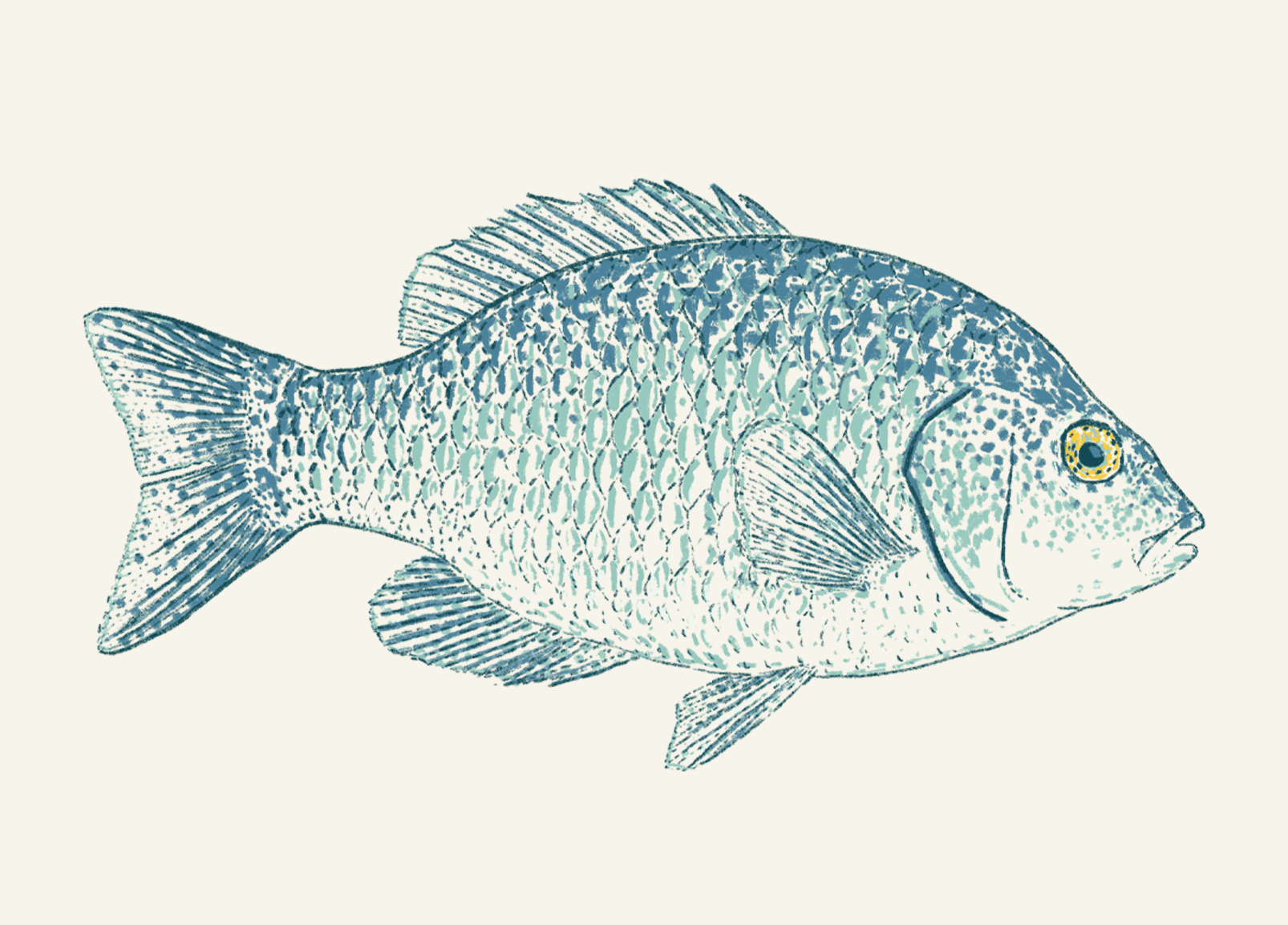
Fear
Oreochromis niloticus
Uganda / Lake Nabugabo
During a radio telemetry study of wild Nile tilapia in Lake Nabugabo, Uganda, 37 fish were caught in gillnets, tagged and released. Across the study period, only four were recaptured by local fishers using the same type of fishing gear. This unexpectedly low recapture rate raised the possibility that previous capture experience may have influenced how the fish responded to the nets afterwards.
Ethical Seafood Research
08.
Tiger
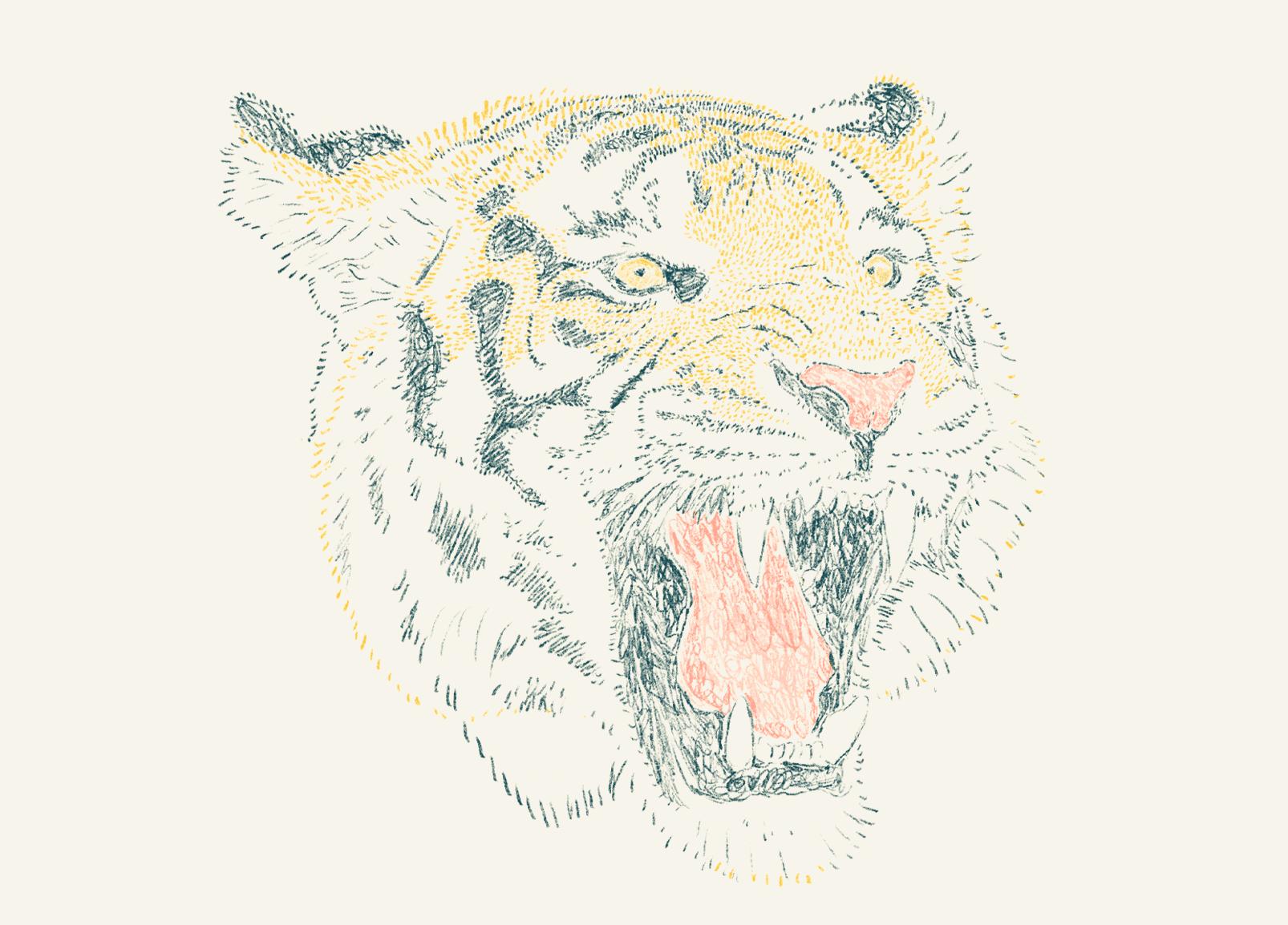
Frustration
Panthera tigris
France / Mont Faron
During undercover visits to Mont Faron Zoo, observers recorded several captive big cats repeatedly pacing along the exact same routes within their enclosures. The animals continued moving back and forth for prolonged periods despite enrichment objects being present, indicating restricted opportunities to perform highly motivated natural behaviors.
Code Animal
09.
Domestic Donkey
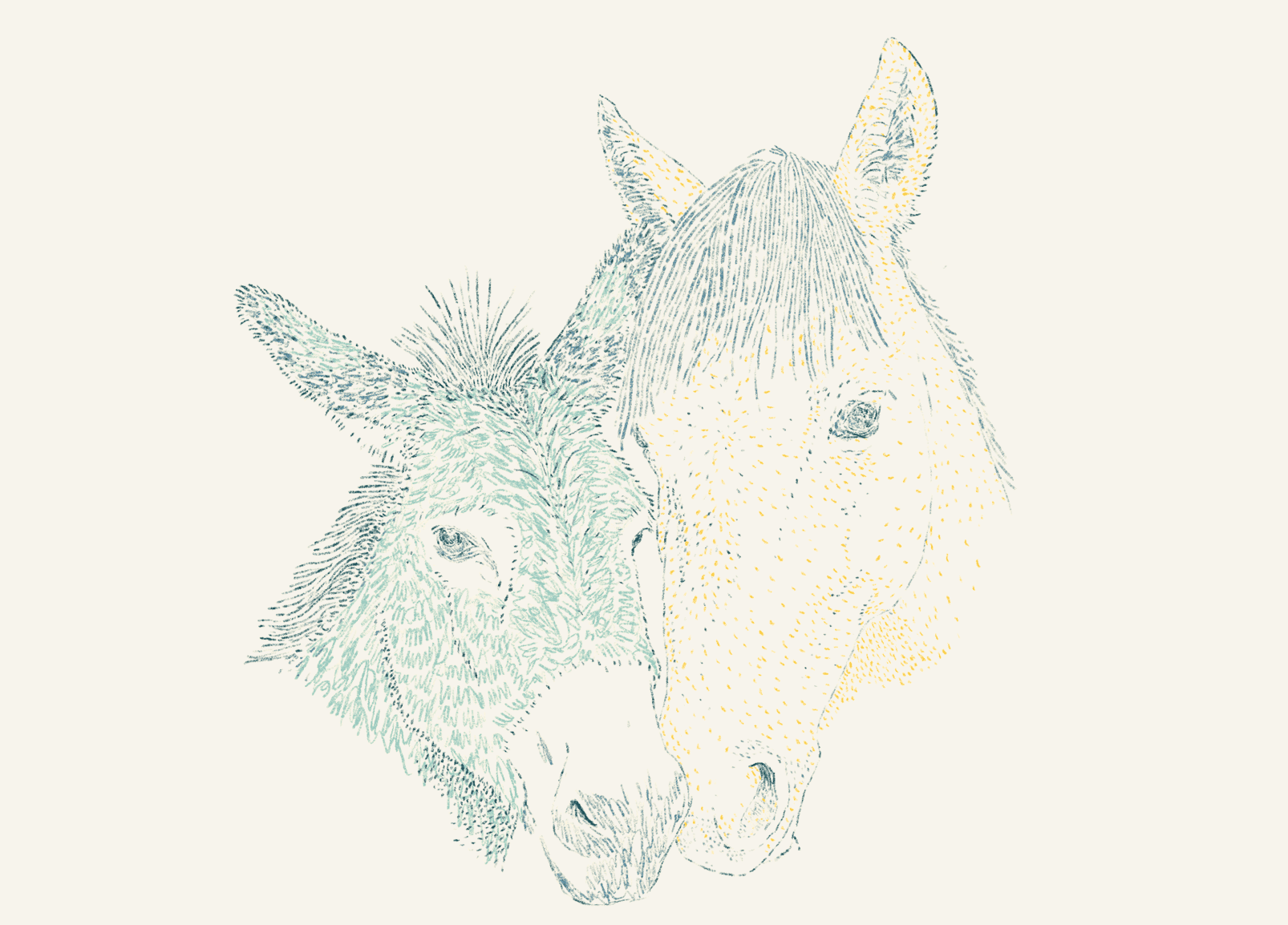
Grief
Equus asinus
Nepal / Kathmandu Valley
Pooja and Jasmine spent almost their entire lives together with a single family in Nepal. When relocated to Animal Nepal’s sanctuary due to changing circumstances, their mutual reliance and shared distress during the transition demonstrated their intense reliance on long-term social familiarity and companion bonds.
Animal Nepal
10.
Mousebird
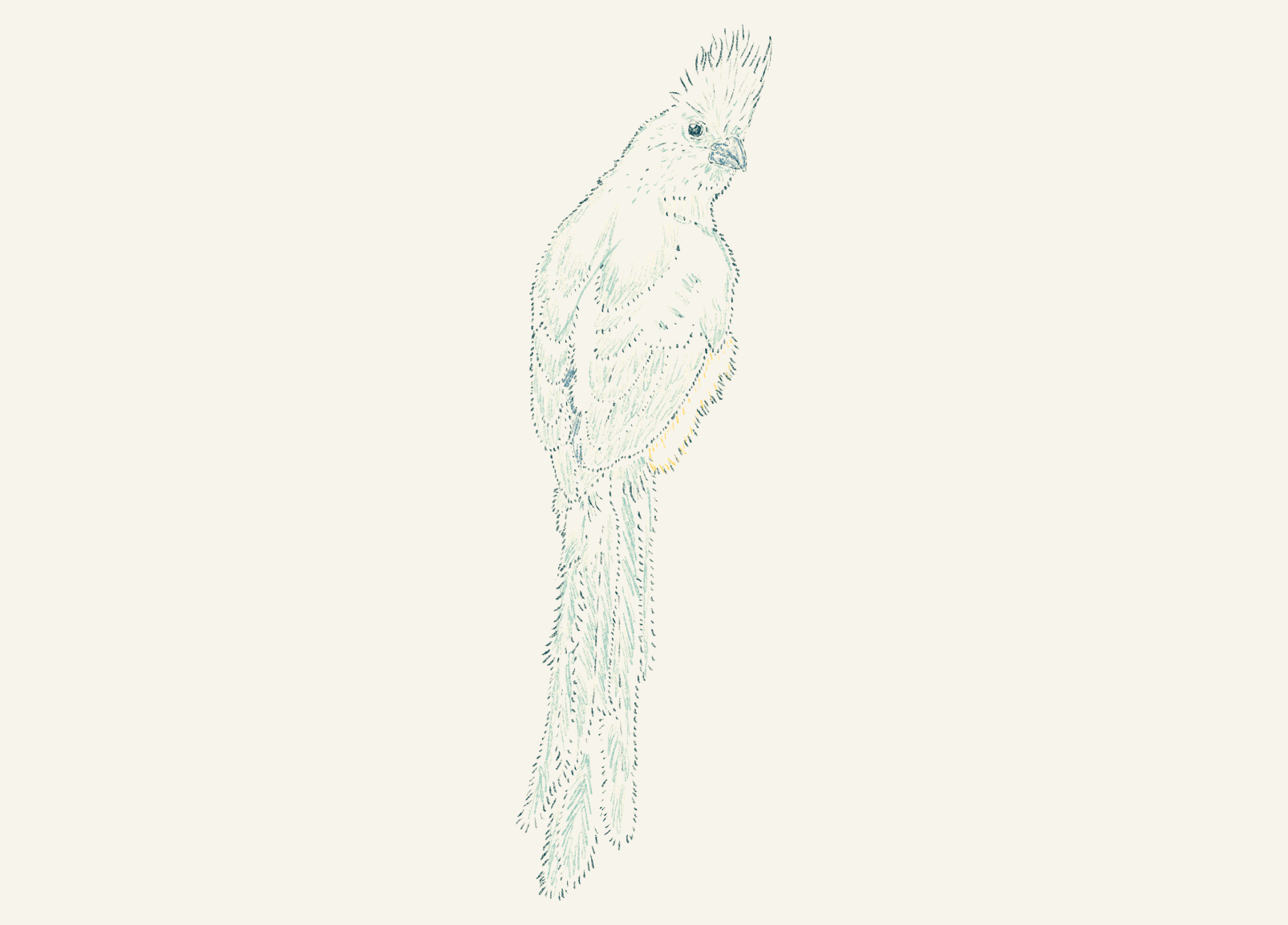
Jealousy
Colius striatus
South Africa
An injured Speckled Mousebird rescued and hand-reared by an ornithologist became deeply attached to her. Whenever her son visited home, the bird displayed targeted hostility toward him—swooping down onto his shoulder and pecking at his ear to disrupt interactions between the mother and her son.
Wellbeing International

Stevan Harnad
Editor, Animal Sentience academic journal
Sentience is not a theory. For any creature that feels, it is simply true, undeniable and inescapable that it is feeling whatever it is feeling while it is feeling it. Trusting our evolved capacity to recognize feeling in others, rather than arguing ourselves out of it, is not sentimentality. It is the more reliable guide, and getting it right is the whole of the ethical question.
Stevan Harnad
Editor, Animal Sentience academic journal
Download the book
It is not a complete picture. Animal sentience science is vast, fast-moving and still evolving. These thirteen entries are a beginning; chosen because they are true, because they are meaningful, and because they come from the field.
Our contributing member organisations.
WFA member organisations built the Atlas from the ground up across six continents. Their field observations, stories, and scientific expertise give it life.