From November 10th to 21st, WFA joined governments from around the world in Belém, Brazil, for COP30, the latest round of global negotiations on how to respond to the climate crisis.
These discussions matter for animals. Animals are already on the front lines of climate impacts, losing habitat and facing conditions they never evolved for. At the same time, the systems that exploit trillions of them, such as industrial agriculture, fishing, and aquaculture, are major drivers of climate change and biodiversity loss. And lastly, animals are vital climate allies, helping ecosystems absorb and store carbon and stay resilient to climate shocks.
Yet animals and their welfare are still largely absent from climate decision-making. That’s why we went to Belém.
COP30 outcomes: what they delivered (and didn’t) for animals
Ten years on from the Paris Agreement, COP30 delivered modest progress but fell short of what is needed to protect people, animals, and ecosystems.
The Global Mutirão, COP30’s main political outcome, acknowledged the need to tackle climate change, biodiversity loss, and desertification together. But it avoided hard commitments to transforming food systems and halting deforestation. Meanwhile, negotiations on agriculture and food security under the Sharm el-Sheikh Joint Work produced no substantive outcome, pushing key decisions to 2026 despite the sector’s major climate and biodiversity footprint. And for the first time, countries agreed on how to measure progress towards climate adaptation. But many indicators are weak and potentially risky for animals, reflecting a political compromise rather than science. Still, there were some bright spots. Countries took a small but important step toward better coordination between the climate, biodiversity, and desertification conventions, opening a political space to advance nature-based solutions and more coherent policy approaches. COP30 also agreed to establish a Just Transition Mechanism to support fair and inclusive transitions in rural economies, including for smallholder farmers.
COP30 Debrief: Insights for animals
To dive deeper into what these results mean for animals, you can listen to Kelly Dent (World Animal Protection), Sebastian Osborn (Mercy for Animals), Ed Goodall (WFA) and me in our full COP30 Debrief.

Stay in the loop on future WFA debriefs. Join our events list here!
A glimpse of hope
One of the most promising moments came during our official side event, “From synergies to action: Animals as the missing link.” There, Zimbabwe’s Minister of Environment, Climate & Wildlife, announced that African leaders have committed to paving the way for a Global Wildlife for Climate Action Declaration, set to launch at COP31.
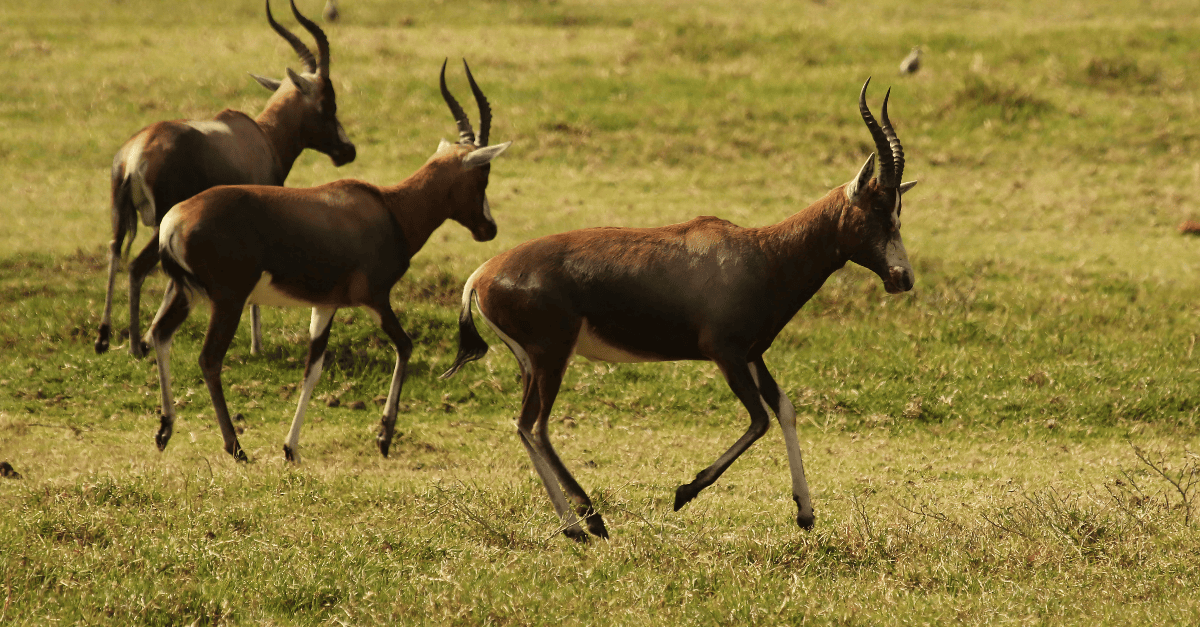
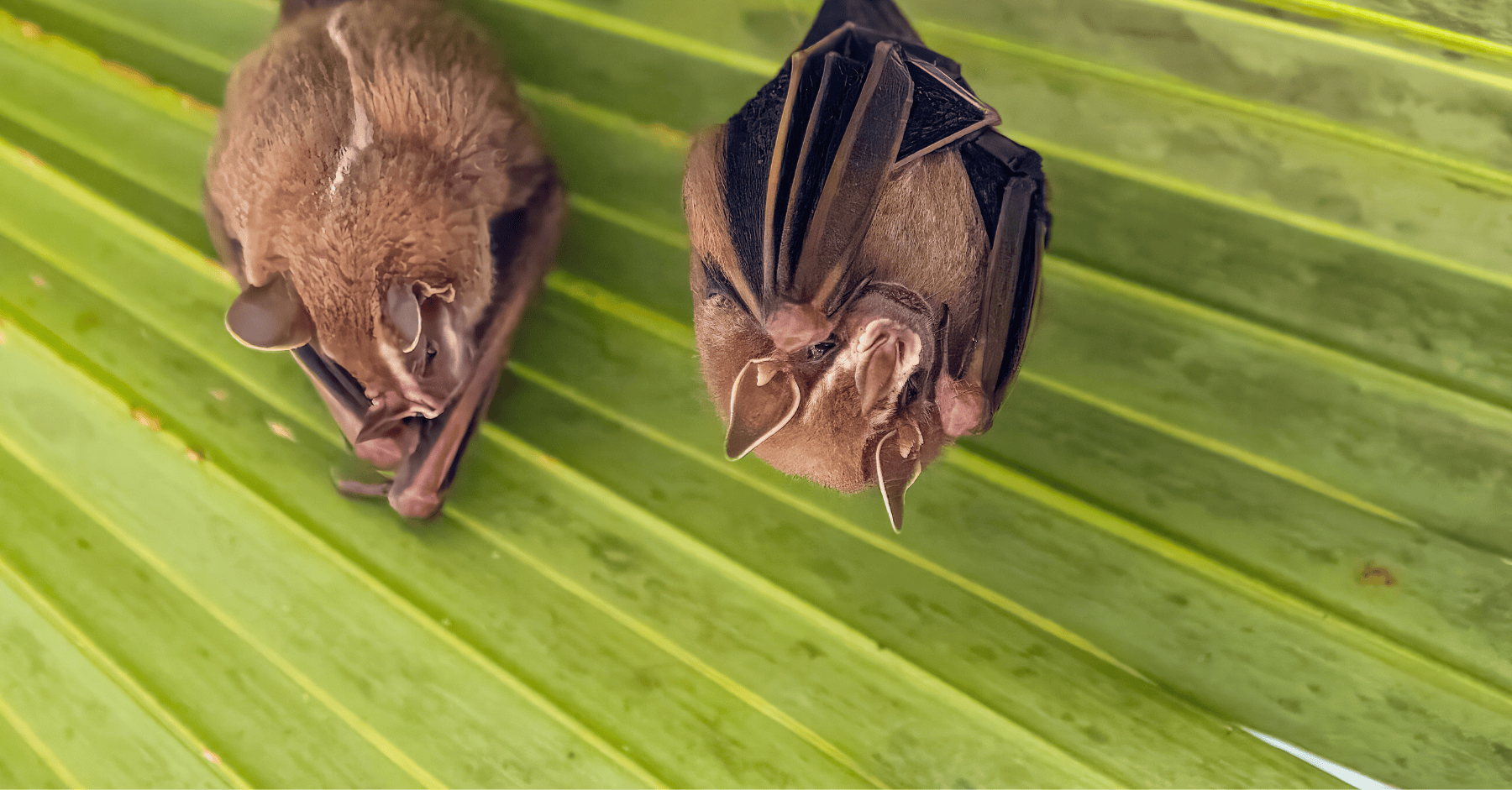
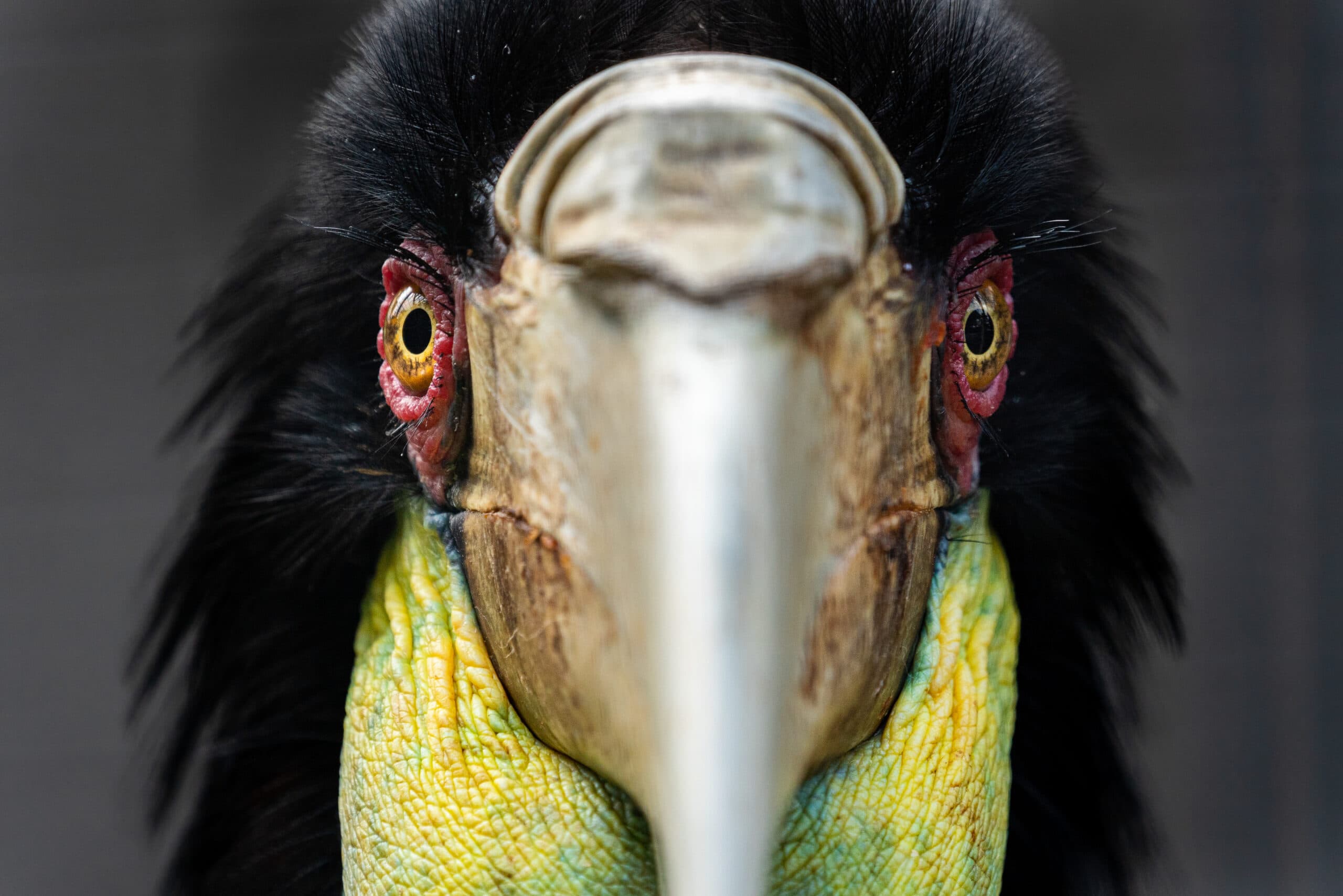
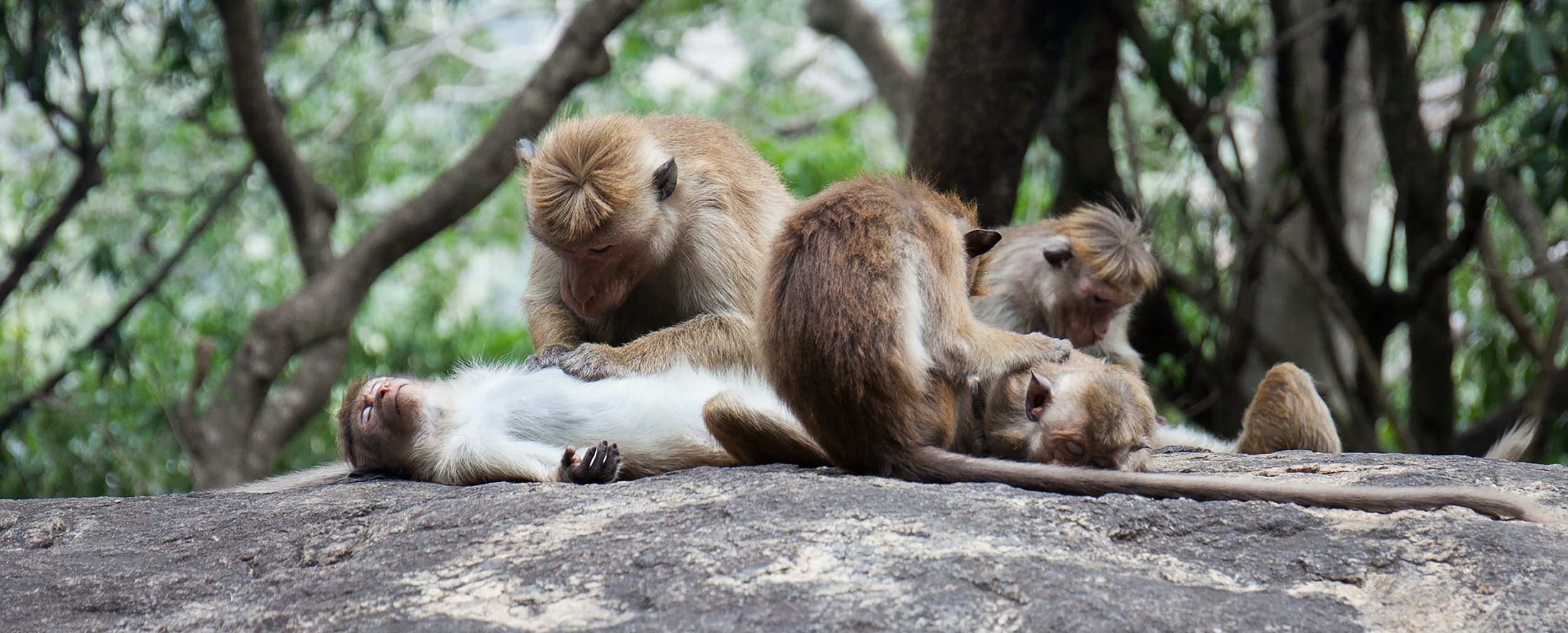
This commitment, endorsed at the inaugural African Union Biodiversity Summit in Botswana, reflects what science has been telling us: wild animals are climate allies. From elephants dispersing seeds to marine animals sustaining blue-carbon ecosystems, wildlife is central to the natural processes that help our planet regulate itself.
Ambassador Tadeous T. Chifamba: “African Ministers recognise that protecting wildlife is a direct and cost-effective contribution to climate mitigation and adaptation.”
Ambassador Lamin B. Dibba, representing The Gambia’s Minister of Environment, added crucial context: Climate change is already impacting African wildlife and the communities that depend on it. Protecting animals and transforming food systems must be central to climate policy.
Ambassador Lamin B. Dibba: “When biodiversity declines, we lose far more than species – we lose our economic resilience and sense of identity. Protecting animals and transforming food systems must be central pillars of enhancing cooperation between the Rio Conventions.”
Climate action doesn’t stay at COP
Many of the COP30 outcomes reflect what some called a triumph of short-term interests over the common good. For animals, for communities on the frontlines, and for the Amazon itself, that is painful. But this doesn’t mean we step back. If anything, it makes our work more necessary.
The years ahead will be critical for advancing a sustainable transformation of food systems, ensuring that adaptation indicators safeguard and do not harm animals, and securing recognition of wildlife as climate allies across negotiations.
COP may influence the direction climate action takes, but it’s what happens between them and on the ground that determines whether progress becomes real. And that is where we will be.