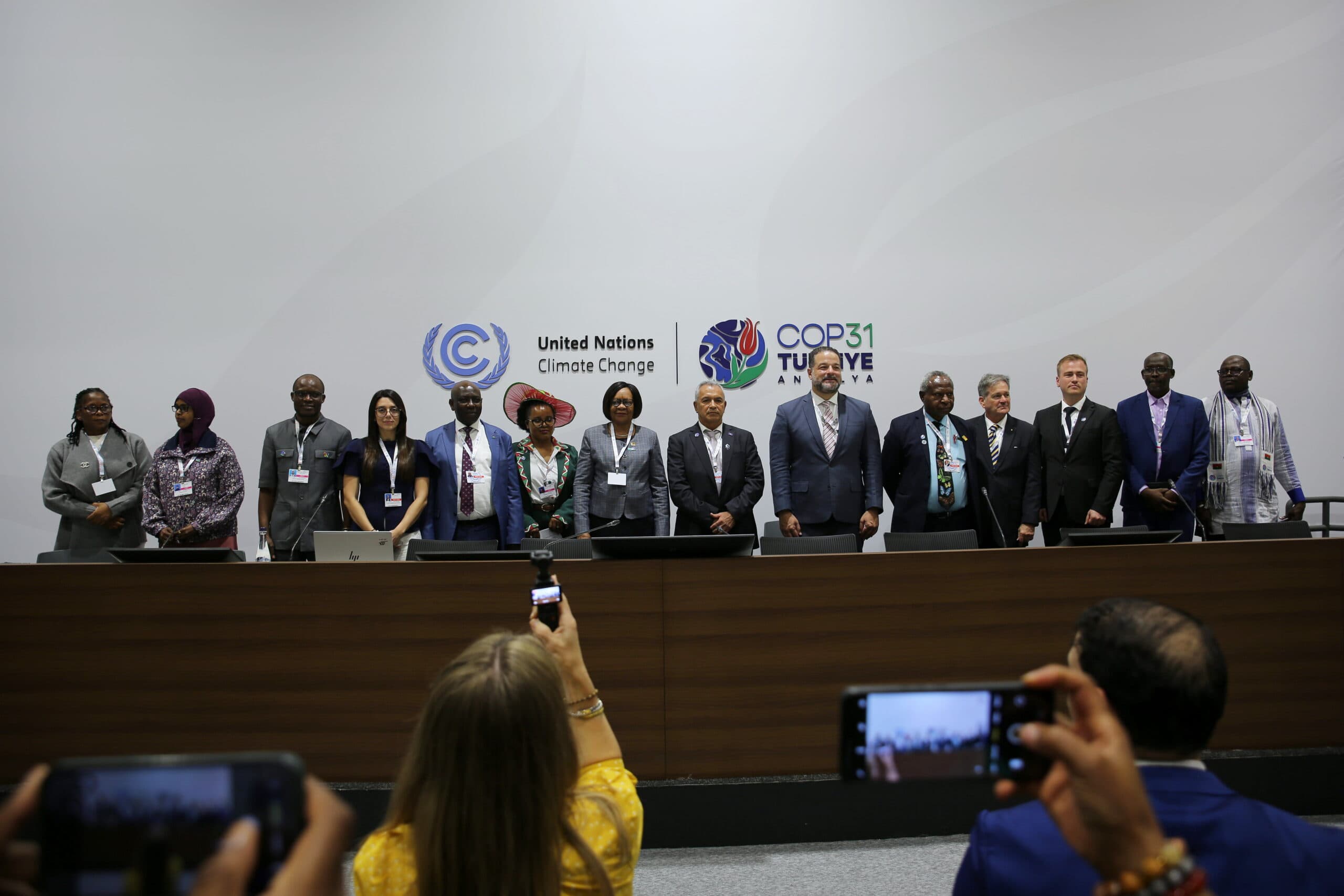
COP31, the UN climate conference in Antalya, Türkiye, concluded on Sunday 22 November 2026 after running past its scheduled close.
Governments did not adopt a cover decision, the main political text of the conference. However, the story of COP31 extends well beyond the absence of a cover decision.
There are many areas of the climate negotiations that shape the lives of trillions of animals. Here are the key insights on what was most relevant to them.
Agriculture and food security
The only negotiating track on agriculture and food security under the UN climate convention, the Sharm el-Sheikh joint work on implementation of climate action on agriculture and food security, was due to end at COP31. However, countries could not agree on what comes next. Talks will resume in Bonn in June 2027, and a decision on the future of this work is expected at COP32 in Addis Ababa in November 2027.
Just transition
Countries extended the Just Transition Work Programme for three years and agreed improvements to make its dialogues more inclusive and practical. Decisions on the functions and operational arrangements of the Just Transition Mechanism, agreed at COP30, were postponed to COP32 in 2027.
Paragraph 6 of the decision reflects messages from this year’s dialogue on agriculture and ocean-based climate action. It highlights smallholder farmers, pastoralists, agricultural workers and fishing communities; Indigenous and local knowledge; the links between agriculture, food security and ecosystem health; and the importance of finance reaching those most affected.
Most importantly, the text recognises for the first time in a formal decision under the UNFCCC process the “potential for agroecological and agroforestry approaches […] to support holistic, nationally determined just transition pathways that enhance food security and to deliver co-benefits”.
Changing how animals are farmed cannot happen without a fair path for the farmers and workers involved, including support to move into new, more humane kinds of food production.
Wildlife for Climate Declaration
On 16 November, 25 countries committed to protecting wild animals as a cornerstone of science-based climate action, the Wildlife for Climate Declaration. The Declaration recognises the role of wild animals in natural carbon cycles, ecosystem functioning and resilience, and adaptation to climate change.
Endorsing countries include two COP presidencies, Brazil and Armenia, as well as the Democratic Republic of the Congo, Kenya, Panama, and Papua New Guinea, among others.
The Declaration is a response to the science as it follows the Scientific Consensus on Wildlife and Climate, supported by more than 350 scientists from 47 countries.
Following the launch, the Declaration has been included in the Global Climate Action Agenda, under the Power of Nature Plan to Accelerate Solutions. This gives the Declaration a home for countries to advance its implementation and share progress.
Cooperation between the Rio Conventions
Progress was very limited on how the climate convention works with the conventions on biodiversity and desertification. After four negotiating sessions, countries adopted one short conclusion noting that discussions had taken place and will continue in Bonn in June 2027. Outside the negotiations, a coalition of governments launched the Rio Synergies Group for Action.
Watch the COP31 Debrief
To hear more on these outcomes, watch the full recording of the WFA COP31 Debrief, where Angel Flores from World Animal Protection, Sebastian Osborn from Mercy For Animals, and Ed Goodall and Silvia Mantilla from WFA unpack these insights and examine what comes next for animal welfare in climate action.
Click here to be the first one to know about future debriefs.
Follow us on X, Facebook, Bluesky, or LinkedIn, and subscribe to our Weekly Digest to stay informed on news that matters for animals.