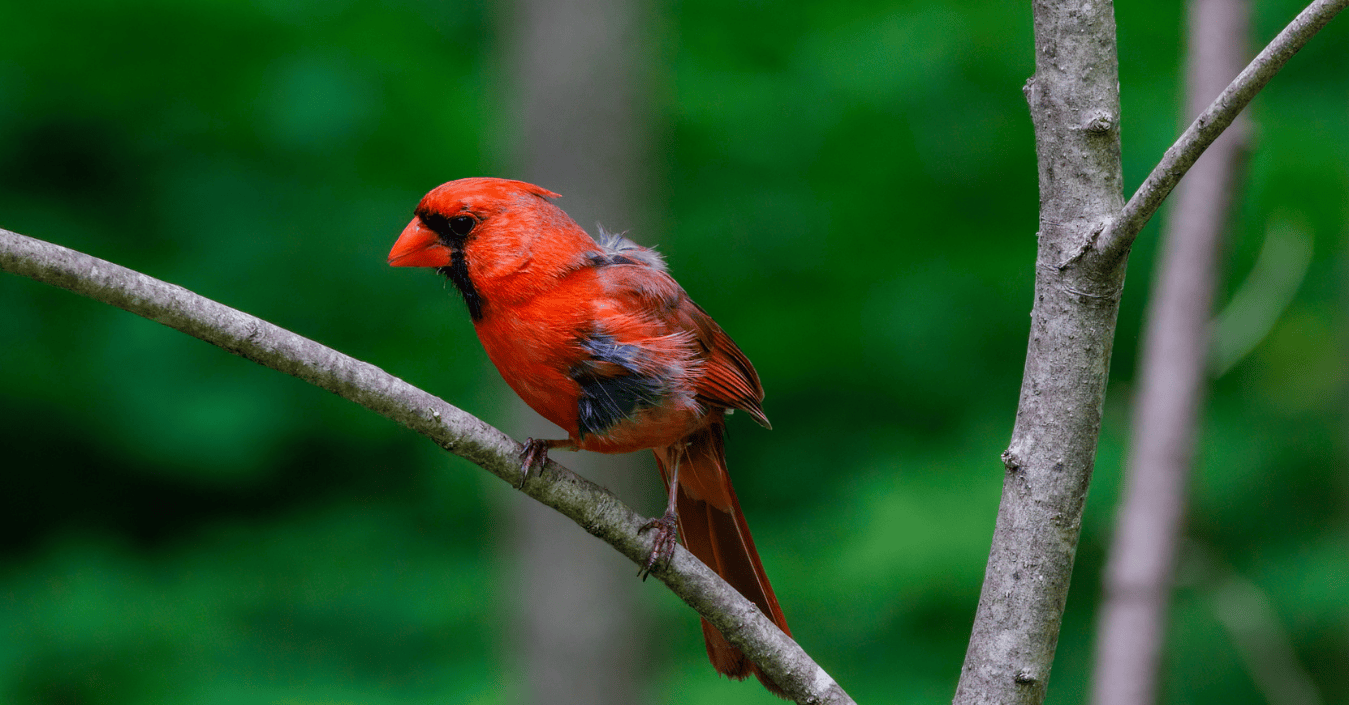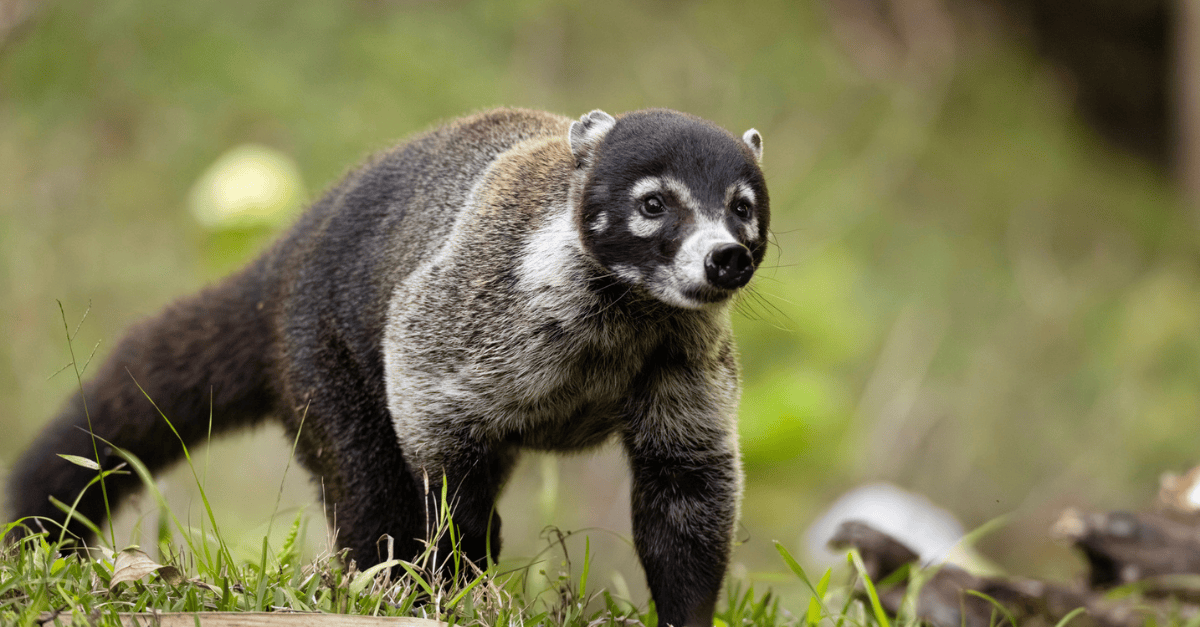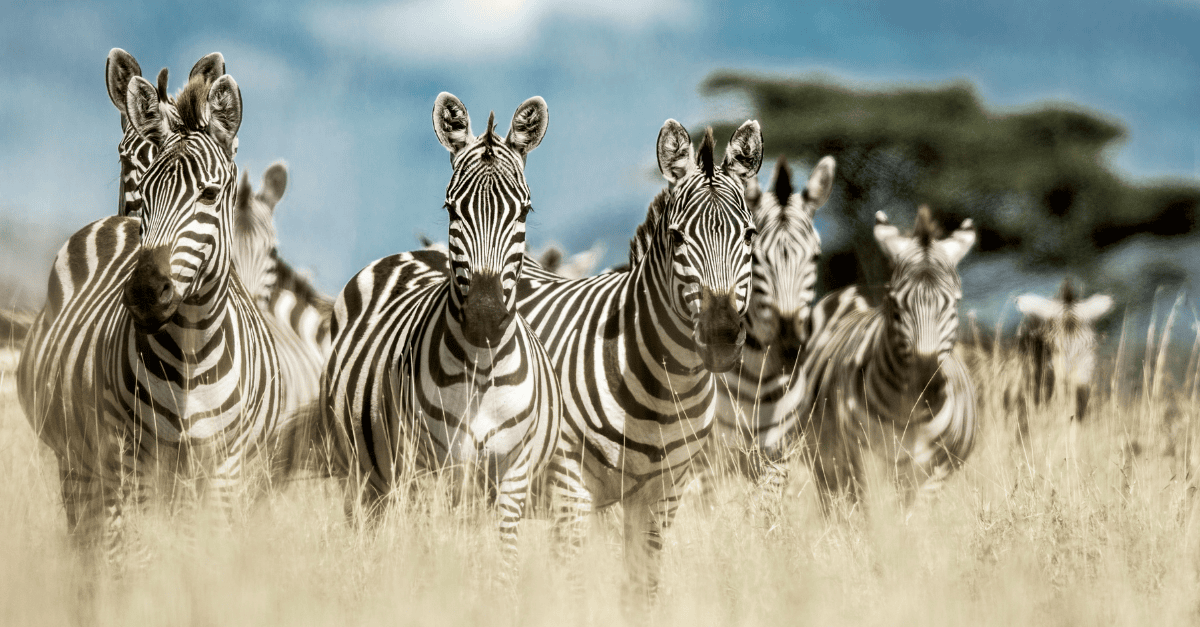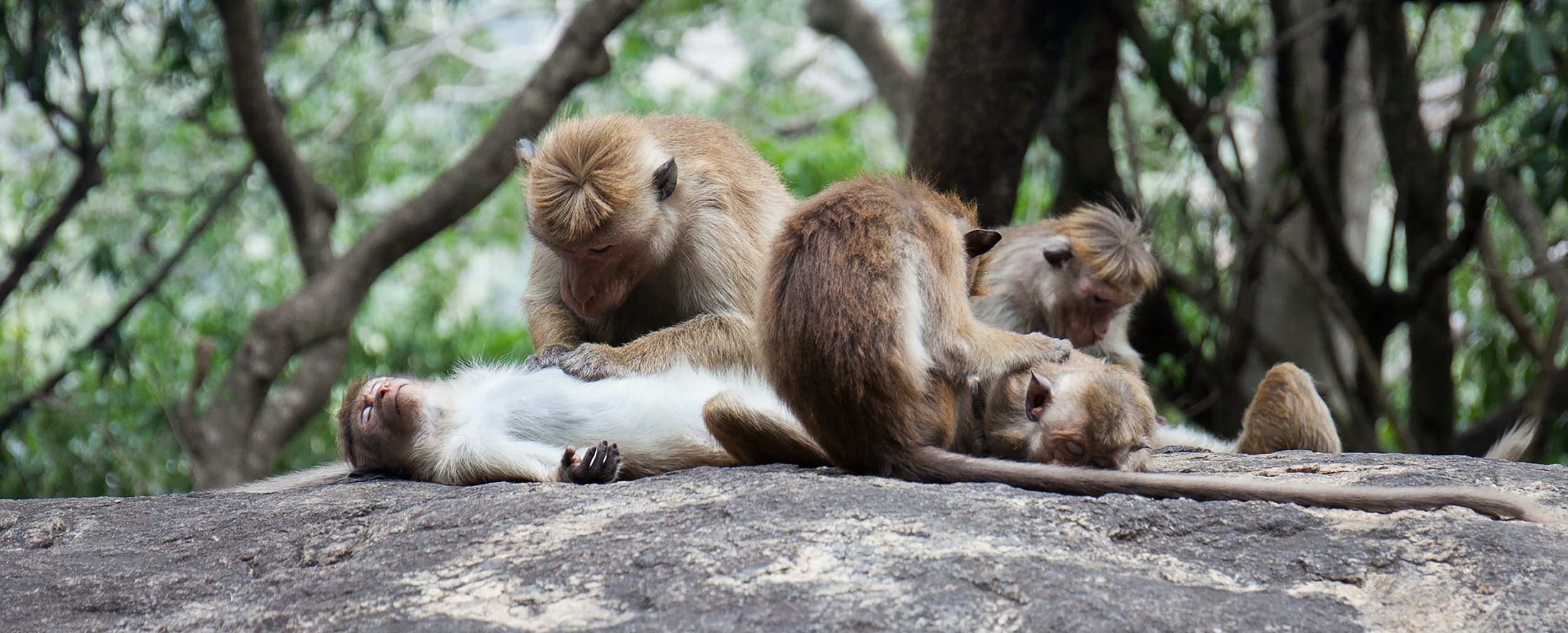
We tend to think cities begin where nature ends, but the truth is different. Wildlife lives in the cracks of our sidewalks, the trees outside bedroom windows, and the rivers under steel bridges. Birds, bats, foxes, and many other wild animals are residents of our cities.
Therefore, how cities are planned, built, and managed determines whether urban animals are pushed into harm or supported through humane coexistence.
This month marks the International Day of Biological Diversity, coinciding with the World Urban Forum in Baku. The forum brought together governments, UN agencies, city authorities, and civil society to shape the global urban agenda.
With today’s 55% of the world’s population living in urban areas – a proportion expected to reach 68% by 2050 – the decisions cities make about housing and infrastructure have direct consequences for animals.
This year’s World Urban Forum, with its focus on housing, made it a critical moment to reflect on those consequences. At WFA, we have been engaged in these conversations to secure animals’ place in cities.
How cities are alive
A recent global analysis of 147 cities found they are home to 2,041 bird species – roughly one-fifth of all avian diversity on Earth – and 14,240 plant species, including 36 bird and 65 plant species threatened with global extinction.
Yet rapid urban expansion is eroding this biodiversity rapidly. According to UN-Habitat, over 90% of cities in the world’s 36 biodiversity hotspots are expanding, directly conflicting with biodiversity and climate goals. An estimated 290,000 km² of natural habitat is expected to be lost to urban growth between 2000 and 2030.
This habitat fragmentation forces wildlife into smaller, disconnected areas. Animals struggle to find food, breeding sites, and safe migration routes. Populations become isolated, reducing genetic diversity, and stress levels increase. This is when injury and death from vehicles, collisions with buildings, and other conflicts with humans become more common.
Animals doing essential work in cities
Urban wildlife is not passive. Animals do essential work that keeps cities functioning:
- Bats play a meaningful role in insect control. They suppress mosquitoes and other disease vectors without chemicals, energy cost, or side effects. All they need is roost sites, foraging habitat, and relief from excessive artificial lighting at night. They are also excellent indicators of ecosystem health. When bat diversity drops, it can signal problems, such as habitat fragmentation or harmful lighting.
- Bees, hoverflies, and butterflies sustain urban gardens, street trees, and food-growing initiatives. Studies in Central European cities found higher bee species richness and pollination rates in cities than in the surrounding countryside. They thrive with pollinator-friendly plants on balconies and window boxes, wildflower corridors between parks and gardens, and reduced pesticide use in public spaces.
- Birds such as swifts and swallows control flying insects seasonally, but modern building renovations routinely eliminate the nesting spaces they depend on. They need swift bricks or nesting features in new or renovated buildings, and fewer renovations that leave no ledges or gaps where they traditionally nest in urban environments.
Good urban outcomes look like swift bricks and bat boxes integrated into building standards, pollinator corridors linking parks and gardens, wildlife-sensitive lighting, and connected green corridors allowing safe movement between fragmented habitats. When these elements are absent, animals lose the infrastructure they need to survive in cities.
Urban infrastructure is also an animal welfare issue
Building policies that promote wild animal welfare often align directly with climate and housing priorities. Policies to reduce light pollution, implement bird-friendly glazing, and install green roofs improve energy efficiency and connectivity whilst providing food and shelter for animals.
Coexistence should be humane and designed in from the start, not managed reactively after conflict emerges. Green infrastructure makes this possible by creating nature-positive cities from the beginning, benefiting both people and wildlife.
When habitat is connected, and risks are designed out – through safer road crossings, reduced toxins, wildlife-sensitive waste management, and less light pollution – animals are less likely to be injured, displaced, or treated as pests. Infrastructure designed with animals in mind prevents harm before it happens.
The decisions cities make now – from which trees stay standing to whether a swift box goes on a new apartment block – ripple into the global biodiversity and animal welfare picture.
What comes next
The outcomes and discussions from the World Urban Forum in Baku are feeding directly into intergovernmental negotiations for a Political Declaration that will define the post-2030 vision for urban development.
WFA is watching these negotiations closely.
True urban sustainability, as envisioned by Sustainable Development Goal 11, starts with recognising animals as the residents they are and factoring them into urban planning decisions. A city doing so is more liveable, more resilient, and more just.
Follow us on X, Facebook, Bluesky, or LinkedIn, and subscribe to our Weekly Digest to stay informed on news that matters for animals.