The World Federation for Animals (WFA) is advocating for stronger protections for marine animals at the upcoming United Nations Ocean Conference (UNOC). As the world comes together to assess progress on ocean conservation, WFA is urging global leaders to recognise the vital role that animals play in keeping marine ecosystems healthy.
The ocean is facing multiple crises, including climate change, pollution, and overfishing. To address these issues effectively, WFA is recommending that animal welfare be included in the Political Declaration, which is expected to be adopted at UNOC and to guide future ocean action.
Key WFA Recommendations
WFA has proposed several key changes to the draft declaration to ensure that marine animals are not overlooked in conservation and climate action. These recommendations focus on:
1. Recognising the role of marine animals in climate action
WFA is calling for the declaration to explicitly acknowledge that protecting animal populations can help fight climate change. Scientific research shows that animals such as whales, sharks, and fish help maintain healthy ecosystems that store carbon and regulate the climate.
2. Strengthening protections for wildlife
The Federation recommends adding stronger commitments to conserve, protect, and restore marine wildlife, including with increased finance.
3. Reducing bycatch in fisheries
Bycatch—the unintentional capture of non-target species in fishing gear—is a major threat to marine animals. WFA is urging governments to work closely with fishers, scientists, and the fishing industry to develop solutions that prevent unnecessary animal deaths.
4. Tackling marine pollution
WFA is calling for a stronger commitment to reduce all types of ocean pollution affecting marine animals, including plastic waste, chemical and oil spills, underwater noise, nutrient runoff, and industrial thermal and radioactive discharges.
5. Aligning with international conservation efforts
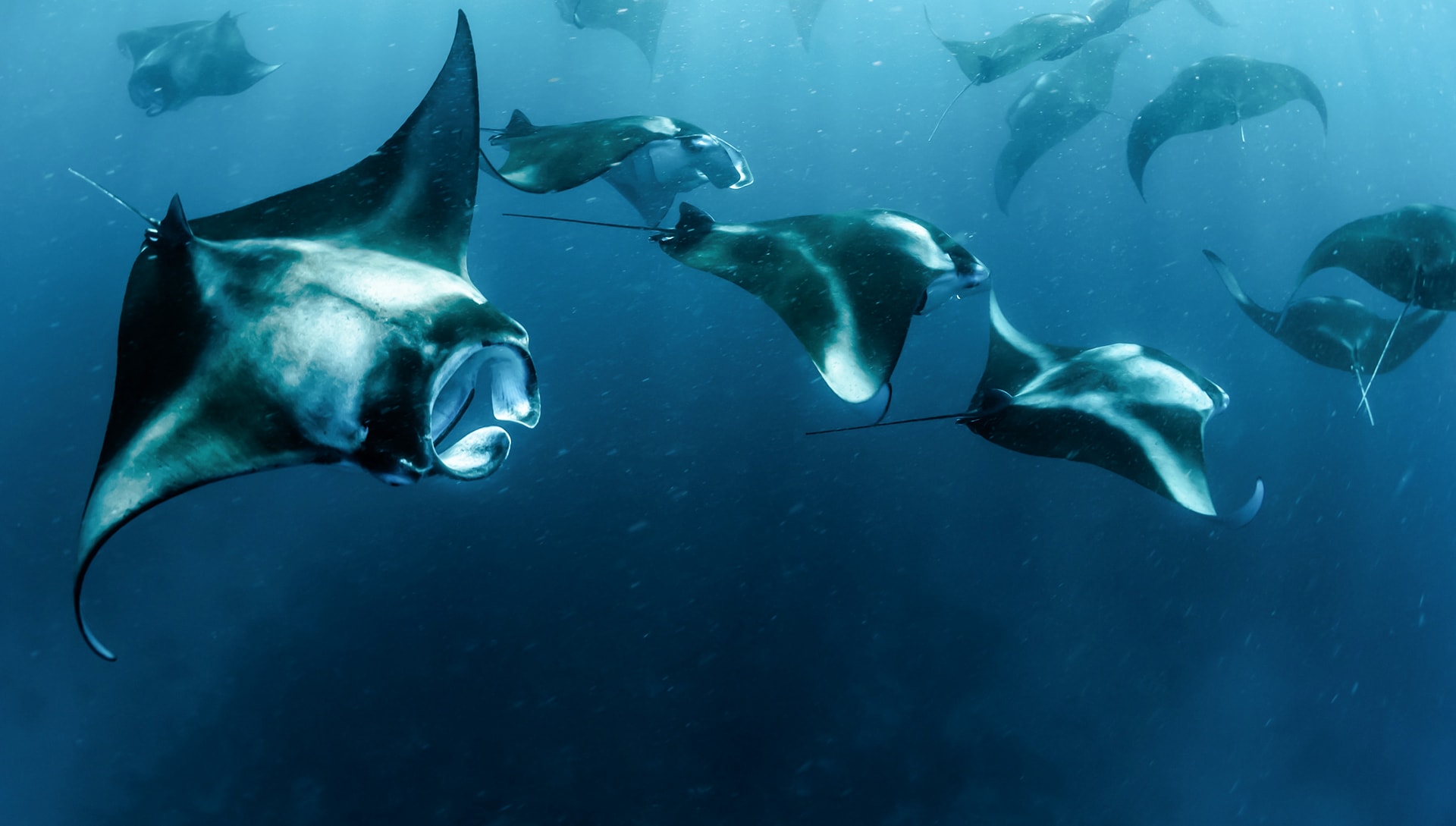
WFA is urging countries to uphold their commitments to the International Whaling Commission (IWC) to ensure the continued protection of whale populations. Governments should also use the latest scientific data to protect areas vital to sharks, rays, marine mammals, seabirds, and turtles.
6. Promoting sustainable fisheries and aquaculture
Overfishing and unsustainable aquaculture threaten marine ecosystems. In line with recent commitments made at COP16 on biodiversity and health, WFA is pushing for science-based fisheries management and better welfare standards for farmed fish.
A future where ocean animals thrive
WFA’s proposals are part of a growing global movement recognising that healthy oceans depend on healthy animal populations. By including these recommendations, UNOC can help protect marine biodiversity and build climate resilience.
By protecting ocean animals, we protect our shared future.