From 19 to 31 October 2026, governments, scientists, businesses, civil society, and Indigenous Peoples and local communities gathered in Yerevan, Armenia, for the UN Biodiversity Conference (COP17). Four years after adopting the Kunming-Montreal Global Biodiversity Framework, the first global review found that more action is needed to meet its targets by 2030.
Despite difficult negotiations, COP17 delivered steps forward for animals. Governments adopted new guidance on sustainable wildlife management that recognises welfare as a safeguard. They also acknowledged the role wild animals play in healthy ecosystems and climate action.
These outcomes show that how we treat animals also matters for biodiversity, health, and ecosystem resilience to climate change.
Key outcomes for animals at COP17, in a nutshell:
- Adoption of the first CBD-wide voluntary guidance on sustainable wildlife management and use, formally recognising animal welfare and One Health as key safeguards.
- Recognition of wild animals’ role in maintaining healthy and resilient ecosystems, alongside an agreement to update the inland waters work programme.
- A COP17 Secretariat proposal recommending tracking national biosecurity and animal welfare measures as GAPBH indicators.
- Adoption of the Yerevan Pathway with subsidy reform as a core pillar, alongside the launch of the Friends of Target 18.
A new guidance to protect wild animals
COP17 adopted the first CBD-wide voluntary guidance on sustainable wildlife management. It helps governments support wildlife conservation, sustainable use, and the livelihoods of people who depend on wild animals.
The guidance recognises animal welfare alongside safety and other safeguards that apply to the use of wild animals. It helps governments consider how individual animals are treated, as well as whether populations and ecosystems can be sustained.
The guidance also recognises the One Health approach, which links human, animal, and environmental health. It encourages governments to consider wildlife and farm animal health when managing disease risks, and to include safe handling in wildlife management plans.


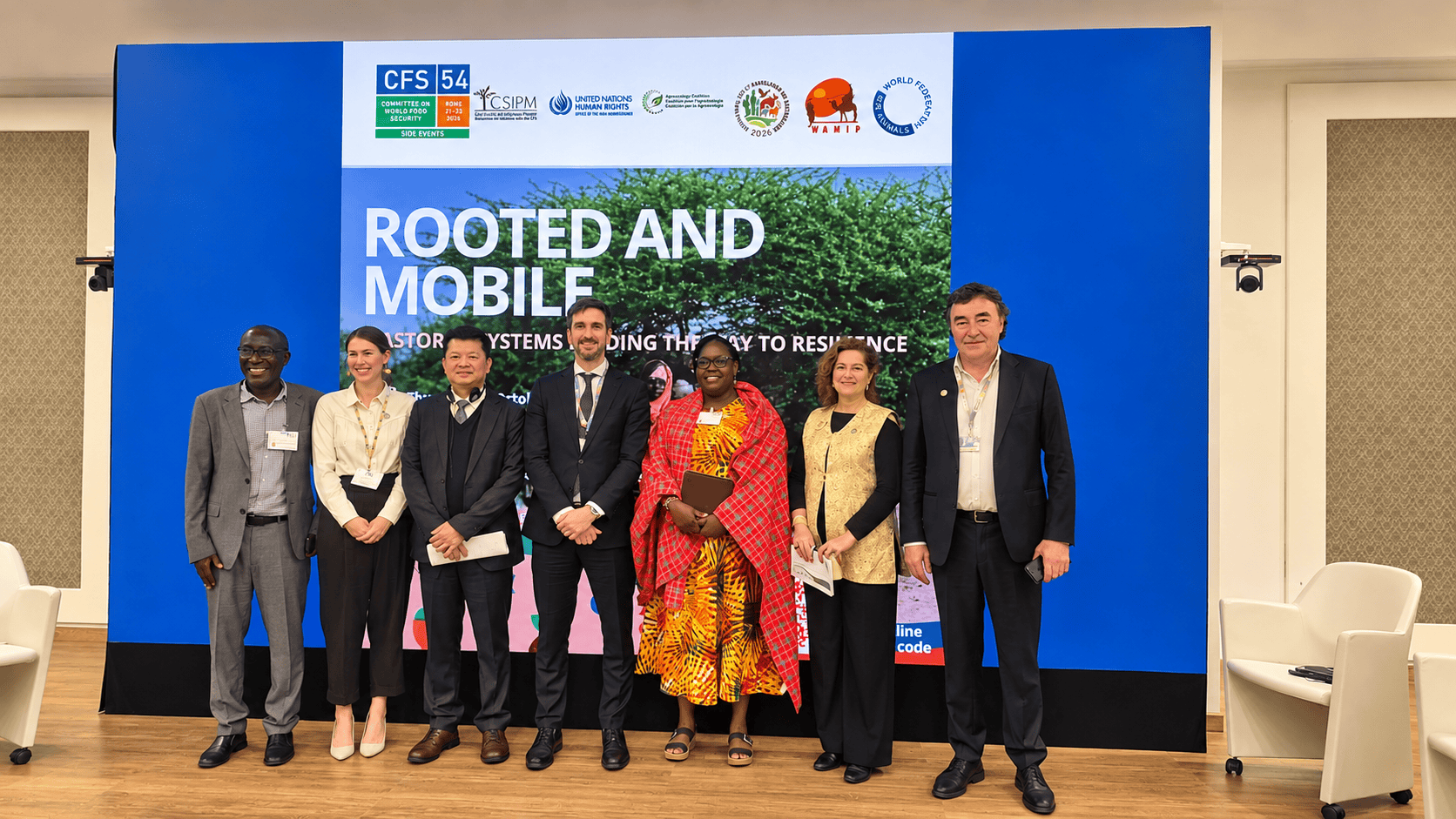
WFA participated in a side event on wildlife conservation translocation with the Smithsonian Institution, IUCN, the Convention on Migratory Species (CMS), WWF, the Kenya Wildlife Service, the World Organisation for Animal Health, GEO BON, and other partners.
Recognising the link between wildlife, climate, and healthy ecosystems
A separate decision on biodiversity and climate recognises that wild animals help maintain healthy ecosystems. Animals disperse seeds and cycle nutrients, which helps ecosystems store carbon and support biodiversity. Protecting them should be part of biodiversity and climate planning.


WFA co-organised with IFAW several side events on the links between wild animals, healthy ecosystems and climate action.
Freshwater also received welcome attention. Rivers, lakes, and wetlands -all inland waters- support fish, amphibians, birds and countless other animals, while providing water and food for communities. Wetlands also filter water and absorb floodwater, and, particularly in the case of peatlands, store carbon.
Yet freshwater ecosystems and the animals that sustain them face mounting pressures, including habitat destruction, pollution and water withdrawals from high-impact sectors.
At COP17, countries agreed to update the work programme on inland waters, which was last reviewed in 2010.
Animals for biodiversity and health: A new guidance tool
During the negotiations, WFA also launched Animals for Biodiversity and Health, a practical guide to help countries implement the Global Action Plan on Biodiversity and Health, the first international framework to recognise that the health of people, animals, plants and ecosystems is interconnected. Its 22 policy measures cover wildlife protection, biodiversity and climate, and farm animal welfare. A COP17 Secretariat proposal to track progress would also ask countries whether they have biosecurity and animal welfare measures in place.
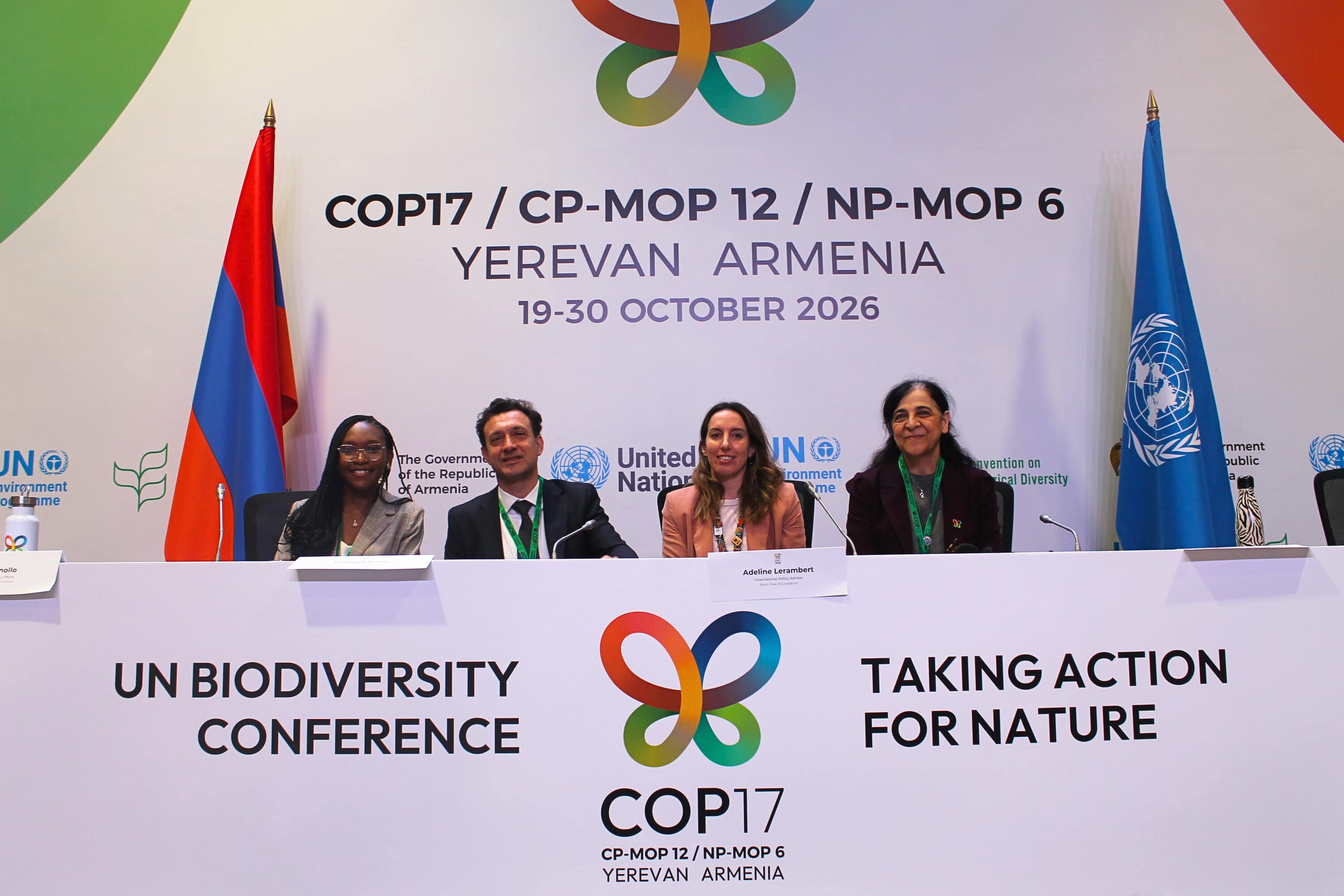


WFA and the Born Free Foundation launched the ‘Animals for Biodiversity and Health’ tool for policymakers.
The launch events brought together representatives from the Ministry of Environment and Climate Change of Brazil, represented by its federal agency, the Chico Mendes Institute for Biodiversity Conservation, the Ministry of Agriculture and Food Sovereignty of France, the World Organisation for Animal Health, the Born Free Foundation and WFA.
The discussions demonstrated how protecting animal health and welfare is part of delivering biodiversity conservation, prevention of health risks, and resilient ecosystems and food systems. It also underscored the need to co-create conservation activities and biodiversity monitoring with Indigenous Peoples and local communities.
Mr Raphael Jozan, representing the French Ministry of Agriculture, Agrifood and Food Sovereignty, highlighted the importance of prevention and connected animal welfare with more resilient farming: “We cannot simply respond to crisis after crisis. We must prevent them better and strengthen the resilience of our production systems. […] The next gains depend on farming practices, animal welfare and landscape management.”
He also highlighted how preventing disease through better animal welfare, good husbandry, hygiene and vaccination can reduce the need for antimicrobials and help address antimicrobial resistance. He illustrated this with France’s national Ecoantibio plans, which have reduced animal exposure to antibiotics by about half since 2011 through prevention and prudent use.
Dr Chadia Wannous, Head of the One Health and Global Frameworks Department of the World Organisation for Animal Health, highlighted: “Protecting animal health and ensuring their welfare is not separate from biodiversity conservation and public health goals. The conditions in which animals are kept, transported, traded, or managed can affect their health and biodiversity goals.” She also stressed the importance of understanding existing national policies and governance as a starting point for action.
Reforming subsidies that harm nature
The global target 18 calls for reducing harmful incentives by at least US$500 billion a year by 2030. Reform matters for animals when public money supports habitat destruction, pollution or harmful production systems.
At COP17, nations adopted the Yerevan Pathway, which makes reforming harmful subsidies and aligning national budgets with nature two of its four core priorities.
Nearly US$2 billion in new biodiversity funding was announced at COP17, but the gap remains large. Some encouraging signals include the launch of the Friends of Target 18, and more than 130 businesses and financial institutions calling on governments to reform harmful incentives.
What comes next
Governments now have guidance and tools to act. The real test is whether these commitments change what happens on the ground.
Partnerships across conservation, agriculture, animal welfare, and health, including work with Indigenous Peoples and local communities, will be essential to achieving the Kunming-Montreal Global Biodiversity Framework.
In 2028, COP18 will take place in Ecuador, and the time until then offers a chance to take meaningful action for animals and nature.
Explore the ‘Animals for Biodiversity and Health’ tool
Follow us on X, Facebook, Bluesky, or LinkedIn, and subscribe to our Weekly Digest to stay informed on news that matters for animals.