For the first time, leading scientists worldwide have united to affirm the vital role that wild animals play in climate mitigation and ecosystem resilience. The 287 experts from six continents, from countries ranging from India to Rwanda, Chile to Finland, have endorsed the Scientific Consensus on Wildlife and Climate, collectively calling on governments to explicitly incorporate wildlife and their ecological roles into climate policies and frameworks.
The consensus was made today at a press conference held at the SB64 – the 64th Sessions of the UNFCCC Subsidiary Bodies.
Experts in animal welfare, conservation and climate change science have long called for global recognition of the contribution that wild animals make to climate change mitigation and adaptation, but this is the first time a group of scientists from different disciplines have collaborated to agree on wording underpinning the science. The consensus follows the announcement at COP30 that African leaders are gathering support for a Wildlife for Climate Declaration, recognising the urgent need for wildlife protection for the sake of the climate.
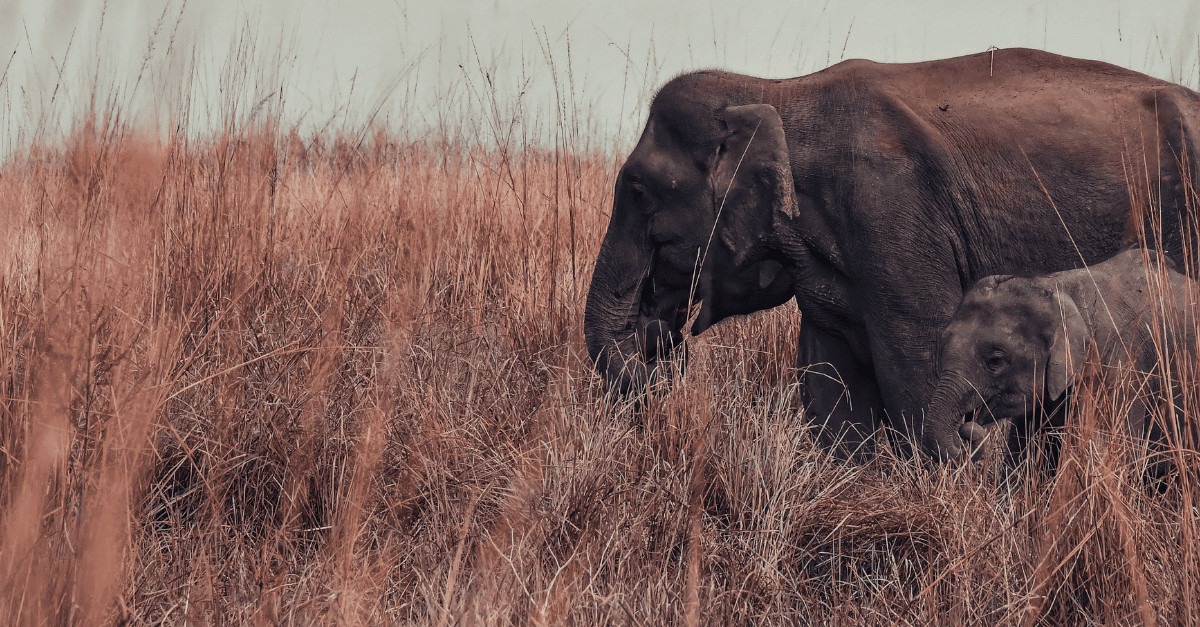
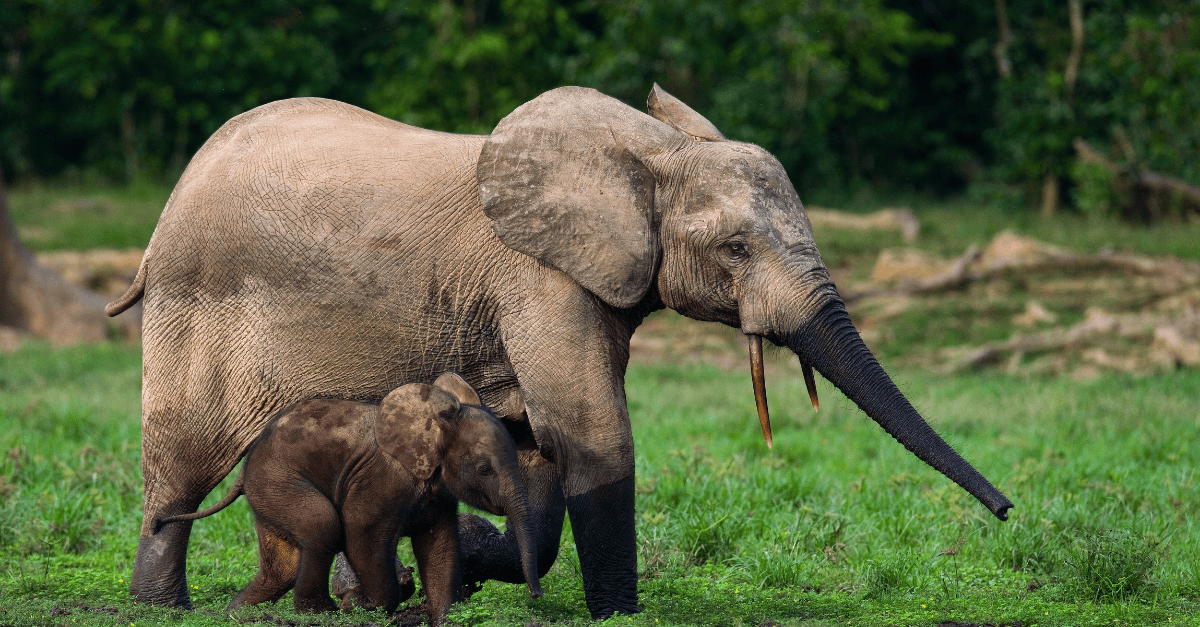
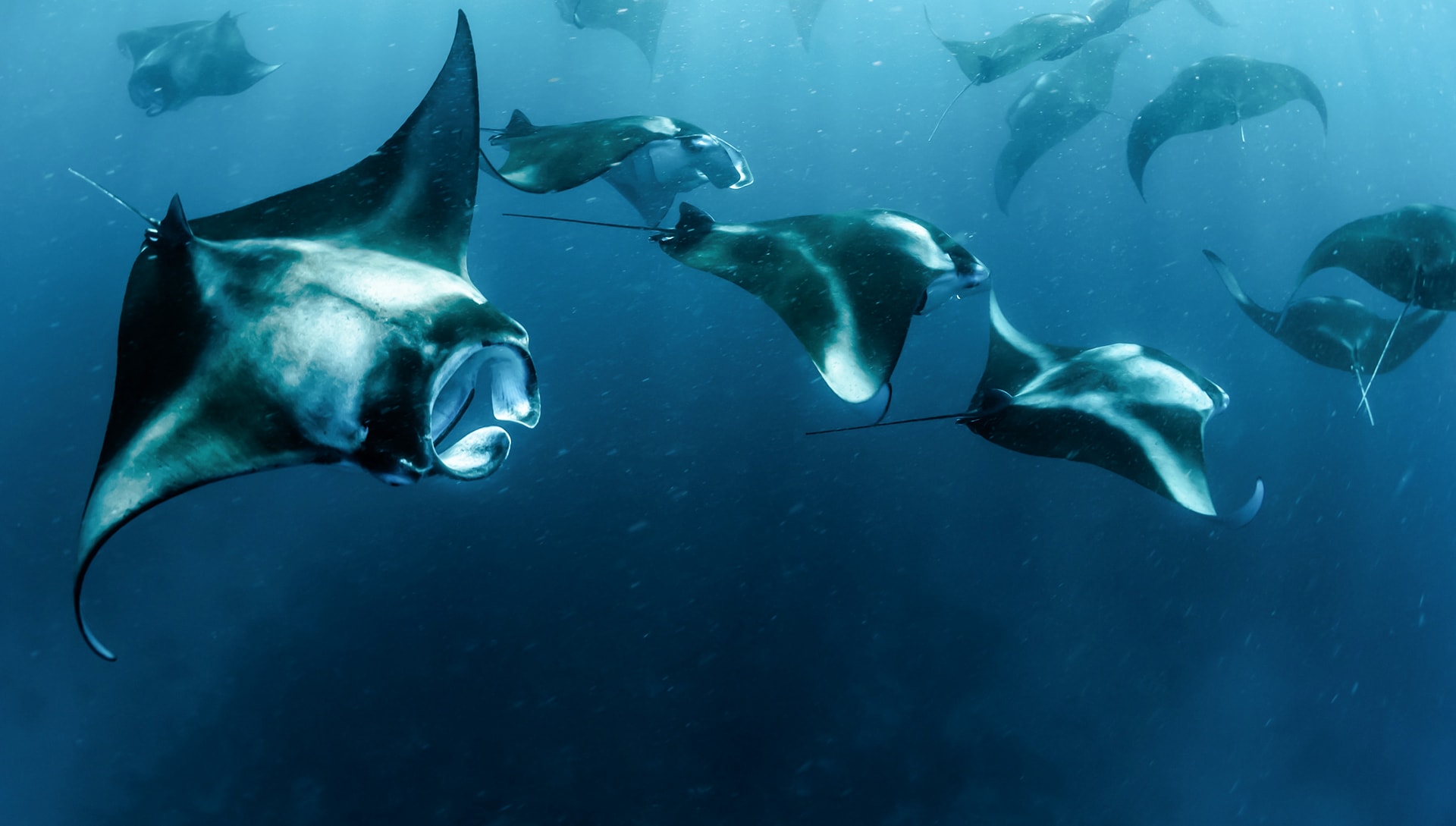
When living within their natural environment, animals can play a vital role as ‘climate allies’, undertaking natural behaviours that keep whole ecosystems functioning, including contributing to natural carbon storage and sequestration. For example, fish in the open ocean transport carbon to the deep sea, forest elephants spread the seeds of carbon-dense trees, and grazing bison encourage plant growth and nutrient recycling.
A 2023 Nature Climate Change paper led by Yale University estimated that restoring wild animal populations and their functional roles could increase CO₂ uptake by an additional 6.41 gigatons per year. This would help to address the shortfall between what conventional nature-based solutions can deliver and what scientists say is needed to draw down sufficient CO₂ to keep warming below 1.5C.
Yet to date, the necessity to protect wild animals and their habitats has been largely absent from climate policy. While their role in climate action has been recognised in some processes, including under the Convention on Biological Diversity, Convention on the Conservation of Migratory Species of Wild Animals and by the International Union for Conservation of Nature, to effect real change, it is vital this issue is recognised within the UNFCCC.
The Scientific Consensus on Wildlife and Climate was developed through a structured, transparent drafting process, with input from a global group of academics. The collective agreed, in essence, that:
- animals can positively influence climate-related ecological processes through their natural behaviour, such as grazing, predation, movement, feeding, and excretion;
- these processes have an important role to play in carbon storage and ecosystem regeneration and stability, yet are largely overlooked in climate planning and policy; and
- in many cases, it is scientifically incomplete to assess nature-based climate solutions without considering how wild animals help ecosystems function.
The consensus concludes with a united call for governments to explicitly account for wild animals and their functional roles in climate policies and frameworks, in order to strengthen holistic climate and biodiversity action.
The consensus provides policymakers with a credible reference source that helps ensure wildlife and their functional roles are properly considered in climate and nature assessments. modelling, planning and delivery. It is launched as African governments have recently agreed to advance a Wildlife for Climate action agenda, through a declaration. This Declaration is gaining momentum as protecting wildlife is increasingly recognised as a cost-effective, nature-based solution to climate change.
Ed Goodall, Climate Policy Specialist at World Federation for Animals, comments: “The Scientific Consensus on Wildlife and Climate is fundamentally built on common ground. The process brought together a broad spectrum of scientists and researchers and reflects clear agreement that wild animals are active participants in ecosystem processes that enhance resilience, carbon and nutrient cycling and other climate-relevant functions. Whilst the science will continue to develop, there is strong agreement from over 280 academics already that animal-mediated processes, from seed dispersal and pollination to grazing and ecosystem engineering, must be better recognised in climate and biodiversity policy. The Consensus gives policymakers a careful, credible basis for doing so.”
Matt Collis, Senior Director of Policy at International Fund for Animal Welfare, said: “Wild animals are some of our greatest allies in protecting the planet from climate catastrophe, yet their role has been overlooked for far too long. From elephants shaping forests to marine species helping store carbon in the ocean, animals keep ecosystems healthy, resilient, and functioning. This Scientific Consensus makes clear that climate policy can no longer ignore wildlife—not only for the sake of biodiversity, but for the future stability of our planet.”
Jens-Christian Svenning, Director at DNRF Center for Ecological Dynamics in a Novel Biosphere, Department of Biology, Aarhus University, Denmark, who was one of 12 scientists who helped to draft the wording comments: “Wild animals play important and often underappreciated roles in the earth system — influencing carbon cycling, fire regimes, and the capacity of ecosystems to adapt to climate change. The scientific evidence for these effects has grown substantially in recent years. Recognising this in climate policy is a critical step, and I see this consensus statement as an important contribution to that process.”
To accompany the Scientific Consensus, the Wildlife and Climate consensus website has been launched, illustrating the myriad ways wild animals can help the climate crisis, bringing to life the scientific evidence, to guide policy.
For further information or interview requests, please contact Victoria Evans: victoria.evans@wfa.org / +44 (0) 7766 244 322
Notes to Editors
- The World Federation for Animals is a not-for-profit global federation comprising nearly 80 animal welfare organisations. Established in 2020, it works to embed animal welfare into sustainable development worldwide. A UN-accredited organisation, it works towards the recognition and integration of animal welfare into international health, food, and environmental regimes and trade and development finance rules.
- ‘Global scientists unite on the role of wild animals for climate action’ took place on 11 June 2026 and can be watched back here.
- Quotes from scientists involved in the drafting of the Consensus can be found here.
- If you are an academic working in a scientific field, and would like to add your name to the consensus, please visit https://www.wildlifeandclimateconsensus.org/