The world is moving closer to finalising the Pandemic Treaty—a global agreement to strengthen pandemic prevention, preparedness, and response. From February 17-21, 2025, governments from around the world gathered for the 13th meeting of the Intergovernmental Negotiating Body (INB 13) to discuss key sections of the treaty. Two of the most important sections for animal welfare—Articles 4 and 5—were the focus of these talks.
Article 4: Pandemic Prevention and Surveillance
Article 4 is all about preventing pandemics before they happen. It encourages countries to create strong national plans that track and stop diseases from spreading between animals and people. It also calls for better coordination between different sectors, such as public health, environmental protection, and animal welfare.
However, some countries expressed concerns about the feasibility of identifying all settings and activities where human-animal interactions occur, especially in biodiversity-rich areas. There were also concerns about how data sharing and coordinated surveillance would function in practice across sectors.
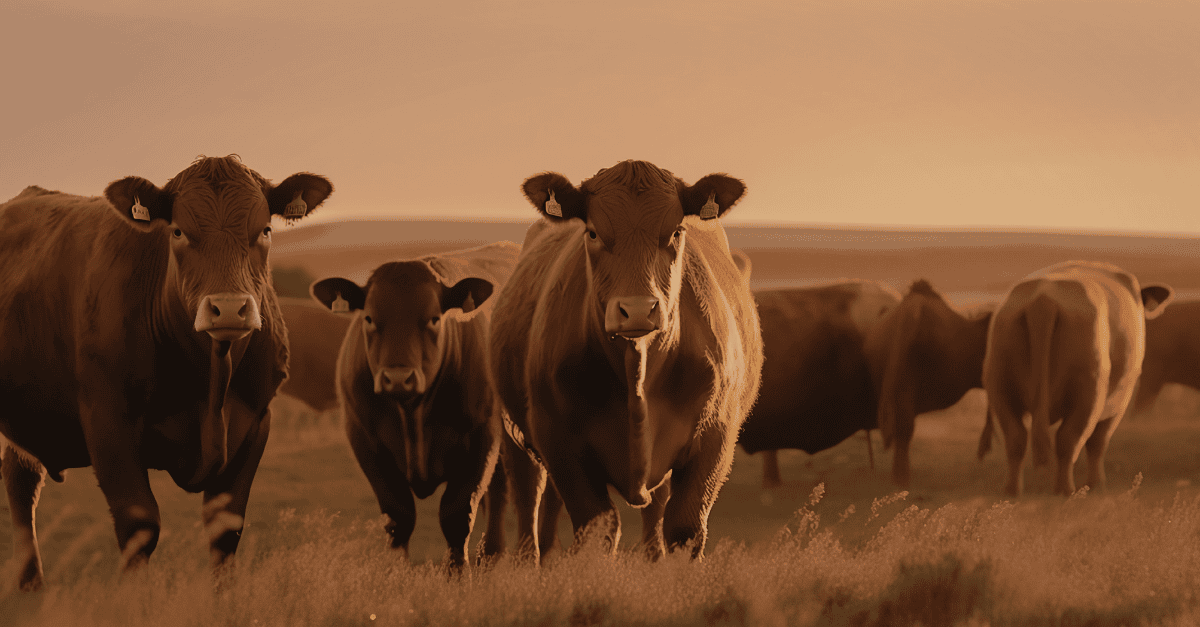
In the draft text, human interaction with wildlife, farm and companion animals is acknowledged as a driver of disease transmission. To effectively prevent future pandemics, however, a stronger commitment is needed to improve animal welfare. If animals continue to be kept in cramped, stressful conditions—whether in wildlife markets, factory farms, or illegal trade—the risk of future pandemics will only grow. Implementation guidelines must explicitly include animal welfare to support long-term pandemic prevention efforts.
Despite these challenges, some progress was made. Countries agreed on several key points, including the need for cross-sector collaboration, better disease tracking, and responsible use of antibiotics to prevent the spread of dangerous infections.
We see Article 4 as one of the most important parts of the treaty because it offers a real chance to prevent future pandemics while ensuring fairness for communities and better treatment of animals. The negotiations are at a critical stage, and we urge governments to remember that prevention is always better than a cure.
Article 5: One Health Approach for Pandemic Prevention, Preparedness, and Response.
During the meeting, negotiators also discussed Article 5, which focuses on the One Health approach. One Health recognizes that human health, animal health, and environmental health are all connected. The current draft of this article encourages countries to:
- Identify and address the causes of pandemics.
- Include One Health strategies in their national plans.
- Engage local communities in prevention efforts.
- Train workers across different sectors to respond to disease risks effectively.
There was strong agreement on the importance of One Health, and this part of the treaty is moving forward. This is great news. Without a strong One Health framework, we remain vulnerable to future pandemics.
Looking ahead: The final stretch
With only seven days of negotiations left before the May 2025 deadline, the next round of talks (INB 14) from April 7-11 will be critical in finalizing the treaty’s commitments.
The world has a unique opportunity to embed prevention at the heart of global health governance. If governments commit to protecting animals, tracking diseases effectively, and strengthening One Health approaches, we can reduce the risk of future pandemics and create a safer world for everyone—humans and animals alike.
Photo credit: Andrew Skowron / We Animals